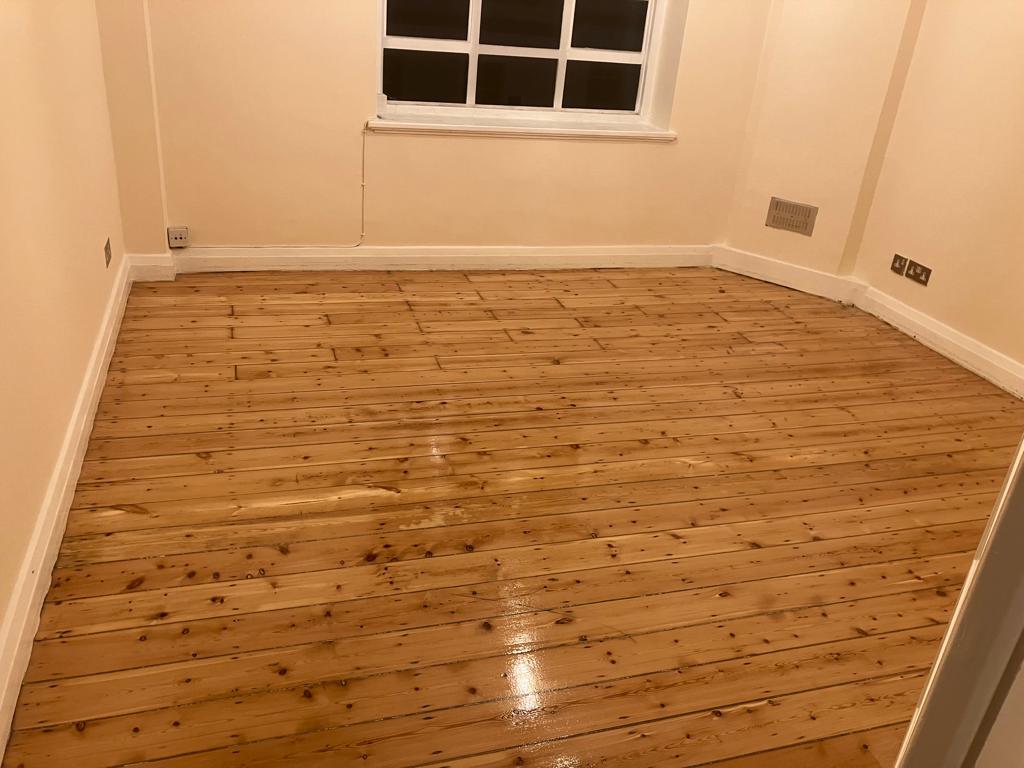
When it comes to floor renovation projects, choosing sustainable wood species is an important consideration. Sustainable flooring options not only enhance the beauty of your home but also contribute to a greener, healthier planet. This section will explore the essence of sustainable flooring and the benefits of using sustainable wood species for floor renovation projects.
Key Takeaways:
- Sustainable wood species are ideal for floor renovation projects, offering both aesthetic and environmental benefits.
- Opting for sustainable flooring options supports renewable resources and eco-friendly manufacturing processes.
- Choosing solid hardwood flooring from responsibly managed forests ensures sustainability and elegance.
- Engineered wood flooring provides an eco-friendly alternative to hardwood.
- Cork flooring is a renewable, biodegradable option with natural insulating properties.
The Essence of Sustainable Flooring
Sustainable flooring is at the core of environmentally conscious design and renovation projects. By choosing materials that are renewable and produced using eco-friendly manufacturing processes, homeowners can make a positive impact on the planet while creating beautiful and durable floors. This section explores the concept of sustainable flooring, with a focus on renewable resources and eco-friendly manufacturing processes.
Renewable Resources
When it comes to sustainable flooring, using materials that come from renewable resources is crucial. This ensures that the resources used for flooring are regenerative and not depleted over time. Some popular examples of renewable resources for flooring include cork and solid hardwood sourced from responsibly managed forests.
Cork is a versatile and sustainable flooring option that comes from the bark of cork oak trees. This harvesting process allows the trees to continue growing, making cork flooring a renewable and eco-friendly choice.
Solid hardwood, when sourced from responsibly managed forests, provides both elegance and sustainability. Trees harvested for hardwood flooring can be replanted, ensuring a continuous supply of renewable wood.
Eco-Friendly Manufacturing Processes
Another essential aspect of sustainable flooring is the use of eco-friendly manufacturing processes. These processes minimize the environmental impact and reduce the carbon footprint associated with the production of flooring materials.
For example, some manufacturers use low VOC (volatile organic compound) finishes and adhesives in their flooring products. This helps improve indoor air quality and reduces the emission of harmful chemicals into the environment.
By selecting flooring materials that have undergone eco-friendly manufacturing processes, homeowners can contribute to a greener future.
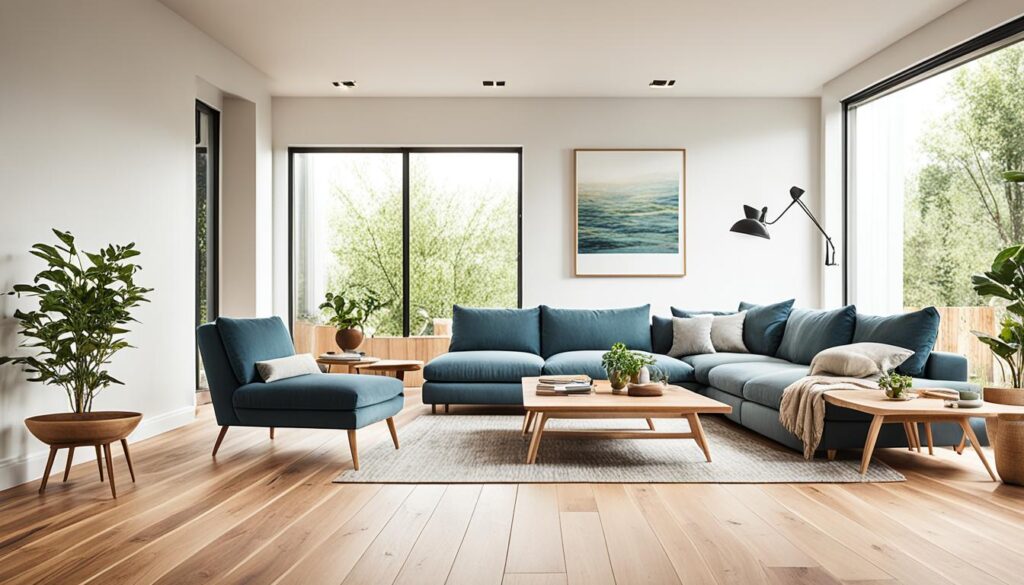
Benefits of Sustainable Flooring
Choosing sustainable flooring offers numerous benefits, not just for the environment but also for homeowners. Here are some advantages of opting for sustainable flooring options:
- Reduced environmental impact
- Improved indoor air quality
- Contribution to forest conservation
- Durability and longevity
- Enhanced resale value of the property
By incorporating sustainable flooring into floor renovation projects, homeowners can enjoy beautiful, long-lasting floors while minimizing their ecological footprint.
“Sustainable flooring is an investment in both the present and the future, allowing us to create stunning spaces while preserving the planet for generations to come.” – Green Living Magazine
Solid Hardwood Flooring – Timeless Elegance with Sustainability
Solid hardwood flooring is a classic and elegant choice that can also be sustainable. By choosing solid hardwood flooring certified by recognized sustainability bodies, homeowners can ensure that the wood comes from responsibly managed forests. Supporting sustainable wood sources and ethical logging practices is crucial when selecting solid hardwood flooring for floor renovation projects.
When it comes to floor renovation, solid hardwood flooring offers unique benefits. It not only adds a touch of timeless elegance and sophistication to any space but also provides durability and longevity. With proper maintenance, solid hardwood floors can last for generations, making them a worthy investment.
But what makes solid hardwood flooring sustainable? It’s all about sourcing the wood from sustainable and ethical logging practices. By opting for flooring made from solid hardwood sourced through responsible forestry management, homeowners play a crucial role in protecting natural resources and promoting a healthier environment.
Sustainable wood sources ensure the replenishment of trees and the preservation of diverse ecosystems. Certified solid hardwood flooring guarantees that the wood comes from forests managed with environmental, social, and economic considerations in mind. This means the trees are harvested responsibly, ensuring the regeneration of new growth and maintaining the forest’s ecological balance.
Furthermore, ethical logging practices focus on minimizing the negative environmental impact of the harvesting process. These practices include selective logging and reforestation efforts to promote the long-term sustainability of forests. By supporting flooring made from solid hardwood sourced from ethical logging practices, homeowners contribute to the preservation of forests and the protection of wildlife habitats.
Choosing solid hardwood flooring from sustainable wood sources and supporting ethical logging practices not only benefits the environment but also ensures that homeowners enjoy the beauty and durability of their floors guilt-free. By making an eco-friendly choice, homeowners can create a warm and inviting space while making a positive impact on the world.
Benefits of Solid Hardwood Flooring:
- Timeless elegance and sophistication
- Durability and longevity
- Enhanced indoor air quality
- Easy maintenance and cleaning
- Wide range of wood species and finishes
Comparison of Solid Hardwood Flooring Options
| Wood Species | Appearance | Durability | Price Range |
|---|---|---|---|
| Oak | Natural, rich grain patterns | High | $$$ |
| Maple | Light, uniform color | Medium | $$ |
| Walnut | Dark, elegant look | High | $$$ |
When choosing a solid hardwood flooring option, homeowners can consider factors such as appearance, durability, and price range. Oak offers natural, rich grain patterns and high durability but falls into a higher price range. Maple, on the other hand, features a light and uniform color, medium durability, and a more affordable price range. Walnut offers a dark and elegant look, high durability, and falls into a higher price range.
Ultimately, the choice of wood species depends on personal preferences, budget, and the desired aesthetic for the space. Whether it’s oak, maple, walnut, or any other wood species, solid hardwood flooring is a sustainable and timeless choice that will transform any room into an elegant and inviting space.
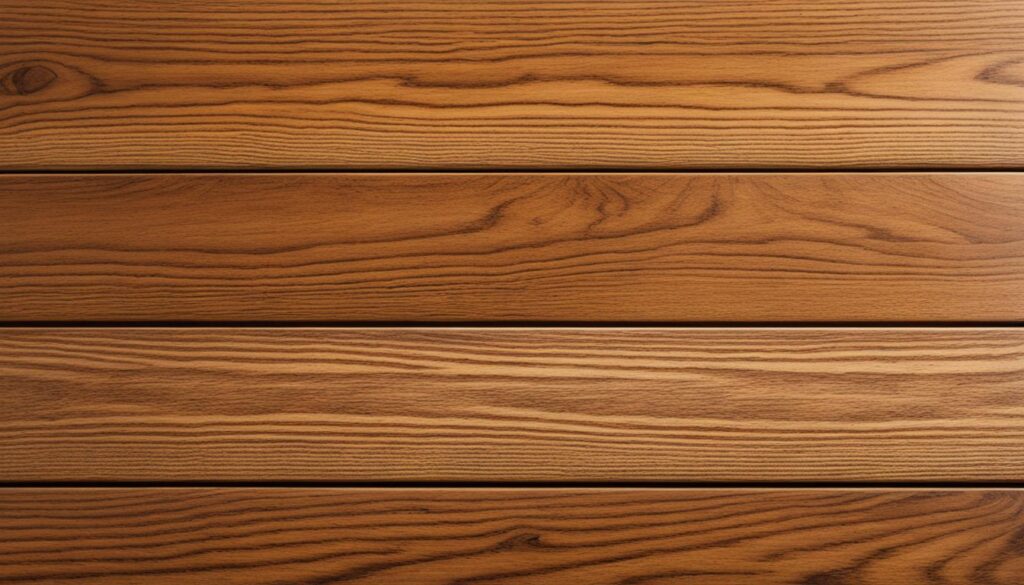
Engineered Wood Flooring – Innovation in Sustainability
For those who appreciate the look of hardwood but want a more eco-friendly alternative, engineered wood flooring is an excellent choice. Made from layers of wood with a hardwood veneer on top, engineered wood flooring utilizes fewer hardwood resources while maintaining the desired aesthetic.
Engineered wood flooring offers the same timeless beauty as solid hardwood but with added benefits for sustainability. By using a thin layer of harvested hardwood as the veneer, engineered wood flooring reduces the demand for full hardwood planks. This innovative approach not only helps conserve natural resources but also reduces waste in the manufacturing process.
It’s important to highlight that the hardwood veneer used in engineered wood flooring is sourced from responsibly managed forests. This means that for every tree harvested, new ones are planted to ensure the long-term sustainability of the ecosystem. By supporting engineered wood flooring, homeowners contribute to the preservation of forest habitats.
Additionally, engineered wood flooring has a lower environmental impact when compared to traditional solid hardwood. It requires less energy and fewer resources to produce, making it a more eco-friendly choice. The manufacturing process of engineered wood flooring also generates less waste and minimizes the use of harmful chemicals.
Styles and Finishes
Engineered wood flooring comes in a wide range of styles and finishes, allowing homeowners to find the perfect fit for their aesthetic preferences. Whether you prefer a rustic, distressed look or a sleek, modern design, there is an engineered wood option to suit every style.
The hardwood veneer layer can be customized with various stains, giving homeowners the opportunity to achieve the desired color and tone. From warm, rich browns to cool, gray hues, there are plenty of options to complement any interior design.
| Key Features of Engineered Wood Flooring | Benefits |
|---|---|
| Eco-friendly alternative | Reduces demand for full hardwood planks, supports responsible forest management |
| Downsized hardwood veneer | Utilizes fewer hardwood resources, reduces waste in the manufacturing process |
| Lower environmental impact | Requires less energy and fewer resources to produce, generates less waste |
| Wide range of styles and finishes | Customizable with various stains, suits different interior design preferences |
Overall, engineered wood flooring offers an innovative and sustainable solution for those seeking an eco-friendly alternative to traditional hardwood. Its lower environmental impact, reduced demand for hardwood, and customizable options make it a popular choice among environmentally conscious homeowners.
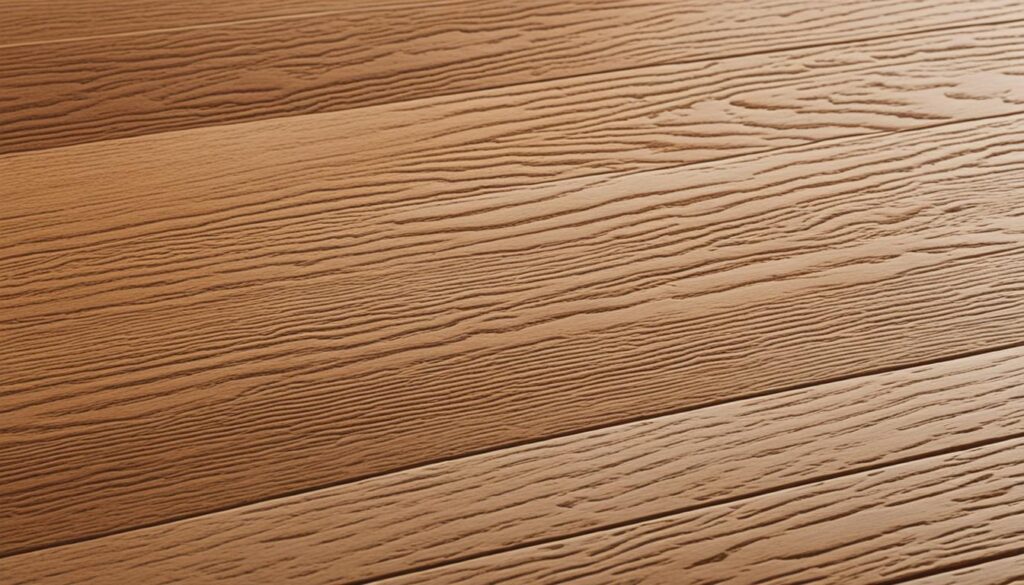
Cork Flooring – Nature’s Gift to Eco-Friendly Homes
Cork flooring is a prime example of how innovative materials can be both stylish and sustainable. Harvested from the bark of cork oak trees, cork flooring is renewable, biodegradable, and has natural insulating properties.
One of the key advantages of cork flooring is its renewable nature. Cork oaks are trees that can live for several hundred years, and the bark is harvested every 9 to 12 years without causing harm to the tree. This sustainable harvesting process allows the tree to regenerate and continue absorbing CO2 from the atmosphere, making cork a carbon-negative material.
Another notable characteristic of cork flooring is its biodegradability. At the end of its lifespan, cork can naturally break down and return to the environment without leaving behind any harmful residues. This makes cork flooring an excellent choice for eco-conscious homeowners who prioritize sustainable materials.
“Cork flooring is not only environmentally friendly but also offers numerous benefits for homeowners. Its natural insulating properties help keep spaces warm in winter and cool in summer, reducing energy consumption and enhancing overall comfort.”
The natural insulating properties of cork flooring contribute to energy efficiency in homes. Cork has a cellular structure that traps air, providing excellent thermal insulation. This insulation not only helps maintain a comfortable indoor temperature but also reduces the need for excessive heating or cooling, leading to energy savings and lower utility bills.
Beyond its eco-friendly attributes, cork flooring also offers durability, water resistance, and a unique aesthetic appeal. It can withstand wear and tear, making it suitable for high-traffic areas, and its natural resilience provides a comfortable walking surface.
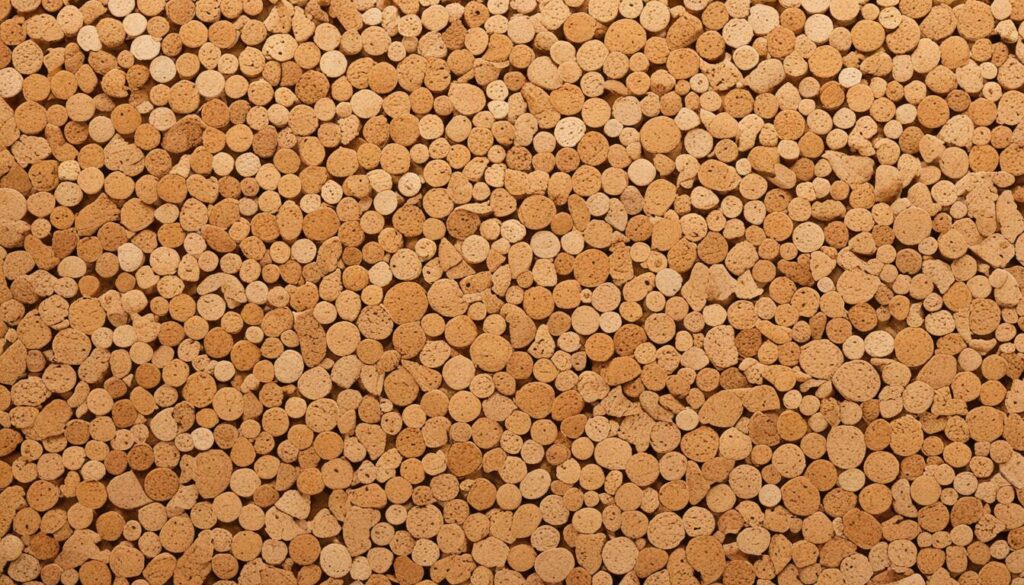
The image above showcases the beauty and versatility of cork flooring, demonstrating its ability to complement various interior design styles. From modern to rustic, cork flooring adds warmth and character to any space.
In summary, cork flooring is a sustainable and environmentally friendly choice for floor renovation projects. Its renewable and biodegradable properties, combined with natural insulation, make it an ideal option for eco-friendly homes. Not only does cork flooring contribute to a greener future, but it also enhances comfort and adds a touch of natural beauty to living spaces.
Conclusion
In conclusion, sustainable wood flooring is the eco-friendly choice for floor renovation projects. By opting for sustainable wood species sourced from responsibly managed forests, homeowners can not only achieve a beautiful aesthetic but also contribute to a healthier planet. With longevity as a key feature, sustainable wood flooring offers a durable solution that can withstand the test of time.
One of the major advantages of sustainable wood flooring is its low-impact manufacturing process. From harvesting the wood to its transformation into flooring materials, sustainable practices are followed to minimize environmental impact. This ensures that every step of the manufacturing process aligns with the principles of sustainability.
By choosing sustainable wood flooring, homeowners can actively support practices that promote the long-term well-being of the environment. It’s a conscious decision that demonstrates a commitment to preserving natural resources and supporting responsible logging practices. Making this choice creates a greener, healthier future for generations to come.