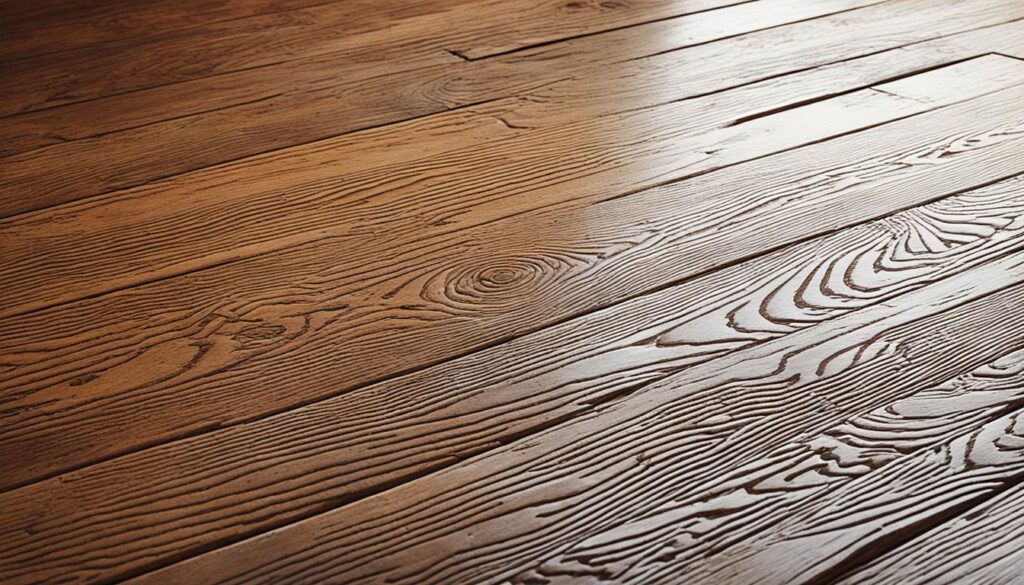
Wood floors in historic homes hold a special place in our cultural heritage. Their rich textures and unique patterns tell stories of the past. However, the passage of time can take a toll on these historic treasures, requiring renovation and restoration to preserve their beauty and historical significance. When it comes to renovating wood floors in historic homes, it is essential to approach the process with a commitment to sustainability.
Historic home flooring restoration is a delicate process that requires expert knowledge and attention to detail. From reclaimed wood flooring to hardwood floor refinishing, every step must be taken with care to ensure that the original character of the floor is preserved. The goal is not only to enhance the aesthetic appeal but also to protect and honor the craftsmanship of the past.
Preservation of historic wood floors goes beyond mere aesthetics. These floors are a testament to our cultural heritage and deserve to be treated with respect. Antique wood floor repair is a specialized skill that involves repairing, sanding, and refinishing the floors to restore them to their former glory. With the right techniques and craftsmanship, it is possible to revive even the most worn-out floors, allowing them to continue telling their stories for generations to come.
When undertaking historic house renovation flooring projects, sustainability should be at the forefront. By using sustainable wood flooring options, such as reclaimed or FSC-certified wood, we can reduce our impact on the environment and promote responsible sourcing. Additionally, choosing period-appropriate wood floor restoration techniques ensures that the renovation stays true to the historical context of the home.
Key Takeaways
- Wood floor renovation for historic homes requires a commitment to preserving the cultural heritage of the building.
- Expert knowledge and attention to detail are crucial for a successful historic home flooring restoration project.
- Antique wood floor repair can revive even the most worn-out floors and preserve their historical significance.
- Choosing sustainable wood flooring options and period-appropriate restoration techniques contributes to a more sustainable future.
- By renovating wood floors in historic homes, we can ensure that their stories continue to be told for generations to come.
Why Historic Buildings Need Sustainable Renovation
Historic buildings hold a significant place in our cultural heritage and architectural history. However, in light of our increasing awareness of the environmental impact of our actions, it has become crucial to prioritize sustainable solutions in the renovation of these buildings. By retrofitting historic buildings with sustainable measures, we can not only preserve their historic and cultural value but also reduce energy consumption and minimize environmental impact.
Embracing sustainable renovation practices in historic buildings is essential for several reasons. Firstly, it allows us to achieve energy efficiency, resulting in reduced greenhouse gas emissions and lower energy costs. Secondly, sustainable renovation helps to preserve the historical significance of these buildings, ensuring that their architectural and cultural legacy is safeguarded for future generations. Lastly, by incorporating sustainable measures in the renovation process, we actively contribute to sustainable development and create a more environmentally conscious future.
“It is our responsibility to ensure that historic buildings are not only preserved but also adapted to meet the challenges of the present. By retrofitting these structures with sustainable solutions, we can create a harmonious balance between preserving our past and building a sustainable future.”
The environmental impact of historic buildings can be significant due to their often outdated construction methods and lack of energy-efficient features. By implementing sustainable renovation practices, we can address these challenges and minimize their ecological footprint. Sustainable retrofitting can include measures such as improving insulation to reduce heat loss, installing energy-efficient lighting systems, utilizing renewable energy sources like solar panels, and adopting resource-efficient technologies.
Preserving the cultural heritage embodied in historic buildings requires us to find a balance between protecting their historical integrity and incorporating modern sustainability standards. This can be achieved by selecting materials and technologies that are sensitive to the building’s original aesthetics and character while also meeting contemporary sustainability criteria.
Environmental Impact of Historic Buildings
Historic buildings have a unique environmental impact that must be considered during the renovation process. While they may lack modern energy-efficient features, they often possess inherent sustainability qualities that should be preserved. The adaptive reuse and restoration of historic buildings promote resource efficiency by avoiding the need for new construction and the associated extraction of raw materials.
Moreover, the preservation of cultural heritage through sustainable renovation contributes to the overall sustainability of communities and encourages a deeper appreciation for historical architecture. By preserving these treasured buildings, we maintain a sense of place, identity, and history, fostering a sustainable urban environment that benefits both residents and visitors.
Sustainable Solutions for Retrofitting Historic Buildings
Retrofitting historic buildings with eco-friendly measures is essential for preserving their historical integrity while achieving sustainability. When retrofitting historic buildings, it is important to consider solutions that minimize environmental impact and improve energy efficiency without compromising the building’s original features and aesthetics.
Energy-Efficient Lighting
One of the key solutions for retrofitting historic buildings is the implementation of energy-efficient lighting. By replacing traditional incandescent bulbs with LED or CFL lights, significant energy savings can be achieved. Energy-efficient lighting not only reduces electricity consumption but also extends the lifespan of lighting fixtures, minimizing maintenance costs. Additionally, using LED or CFL lights allows for greater control over lighting levels, enhancing the ambience of historic spaces.
Insulation and Weatherization
Insulation and weatherization are crucial for improving energy efficiency in historic buildings. Proper insulation reduces energy loss and improves thermal comfort. It helps maintain a consistent indoor temperature, reducing the need for excessive heating or cooling. Weatherization measures, such as sealing air leaks and upgrading windows and doors, further enhance energy efficiency by preventing drafts and heat transfer. By insulating and weatherizing historic buildings, occupants can enjoy increased comfort while reducing energy consumption.
Solar Energy Systems
Solar energy systems offer a sustainable solution for generating energy in historic buildings. Using photovoltaic (PV) panels, solar energy can be harnessed to meet the electricity needs of the building. Solar panels can be discreetly integrated into the architecture of the building, respecting its historical integrity. By utilizing solar energy, historic buildings can reduce their dependence on conventional energy sources, lower carbon emissions, and achieve long-term energy savings.
When retrofitting historic buildings with solar energy systems, it is important to consider the orientation, shading, and structural constraints of the building to maximize solar energy capture. Working with experienced professionals, historical and technical considerations are balanced to ensure a seamless integration of solar panels while preserving the building’s unique character.
Preservation of Historical Integrity
Throughout the retrofitting process, it is crucial to prioritize the preservation of the building’s historical integrity. Any new additions or modifications must be carefully designed to complement the original architectural style, ensuring a harmonious blend of old and new. By using eco-friendly materials that mimic the appearance of traditional materials, such as reclaimed wood or recycled bricks, the retrofit can seamlessly preserve the building’s aesthetic while incorporating sustainable solutions.
| Eco-Friendly Retrofitting Solutions | Benefits |
|---|---|
| Energy-Efficient Lighting | – Significantly reduces electricity consumption – Long lifespan and low maintenance costs – Enhances ambience of historic spaces |
| Insulation and Weatherization | – Improves energy efficiency and thermal comfort – Reduces heating and cooling costs – Prevents drafts and heat transfer |
| Solar Energy Systems | – Generates clean, renewable energy – Reduces dependence on conventional energy sources – Long-term energy savings |
| Preservation of Historical Integrity | – Maintains the original architectural style – Integrates new additions in a harmonious way – Uses eco-friendly materials to mimic traditional materials |
Retrofitting historic buildings with eco-friendly measures not only allows for the preservation of their historical significance but also contributes to a more sustainable future. By implementing energy-efficient lighting, insulation and weatherization, solar energy systems, and preserving the historical integrity, we can achieve a balance between sustainability and the preservation of our architectural heritage.
Preserving the Past, Protecting the Future: Retrofitting Historic Buildings for Sustainability
When it comes to preserving our cultural heritage and ensuring a sustainable future, retrofitting historic buildings is an essential endeavor. By retrofitting these iconic structures, we are not only honoring the past but also embracing energy and resource efficiency for a more sustainable world.
Retrofitting historic buildings offers a range of benefits that extend beyond preservation. One of the major advantages is the opportunity to reuse existing structures, reducing the need for new construction and minimizing environmental impact. By repurposing these buildings, we can contribute to sustainable urban development and create vibrant, revitalized communities.
Energy efficiency is another key benefit of retrofitting historic buildings. By incorporating modern technologies and sustainable practices, we can significantly reduce energy consumption and lower carbon emissions. This not only helps combat climate change but also leads to valuable cost savings for building owners and operators.
| Benefits of Retrofitting Historic Buildings |
|---|
| Preservation of cultural heritage |
| Energy efficiency in historic buildings |
| Community revitalization |
| Sustainable urban development |
Preserving the historical integrity of these buildings is a crucial consideration in retrofitting projects. It is essential to strike a balance between modern sustainability requirements and maintaining the unique character and charm of the original architecture. By carefully planning and executing these projects, we can ensure that each retrofit respects and preserves the cultural significance of the building.
However, retrofitting historic buildings does come with its own set of challenges. Preservation of historical integrity, addressing financial considerations, and complying with regulatory guidelines are just a few examples. Overcoming these challenges requires collaboration among stakeholders, including architects, preservationists, and sustainability experts, who can work together to strike the right balance between preservation and sustainability.

Through sustainable retrofitting initiatives, we can create a future where our historic buildings thrive as sustainable spaces and contribute to a greener, more resilient world. By combining our efforts to preserve our cultural heritage and embrace sustainability, we can protect the past while building a better future for generations to come.
Strategies for Successful Retrofitting of Historic Buildings
Successfully retrofitting historic buildings requires a strategic approach. The process begins with a thorough assessment of the building’s condition and historical significance. It is crucial to evaluate the structural integrity, identify any potential damage or decay, and understand the architectural elements that contribute to the building’s unique character.
Preservation of architectural elements is paramount in the retrofitting process. These elements tell the story of the building’s history and should be carefully conserved. Whether it’s ornate moldings, intricate woodwork, or delicate stained glass windows, preserving these features not only maintains the building’s aesthetic appeal but also honors its historical value.
“Preserving architectural elements ensures the building retains its original charm and authenticity.”
Integrating energy-efficient technologies is a key aspect of retrofitting historic buildings. LED lighting, for example, offers significant energy savings while maintaining the desired ambiance. Incorporating renewable energy systems, such as solar panels, can further reduce the building’s carbon footprint and dependence on non-renewable energy sources.
Benefits of energy-efficient technologies in retrofitting historic buildings:
- Lower energy consumption
- Reduced utility costs
- Positive environmental impact
- Enhanced occupant comfort
When retrofitting historic buildings, it is vital to consider the surrounding context. The changes made should harmonize with the existing architecture and blend seamlessly with the environment. This ensures that the building remains visually cohesive and respects its surroundings.
Incorporating eco-friendly materials is another crucial aspect of a sustainable retrofit. Using recycled or locally sourced materials not only reduces the environmental impact but also supports the local economy. These materials can include reclaimed wood, recycled metals, and low VOC paints, contributing to a healthier indoor environment.
“Adopting eco-friendly materials ensures the retrofit is environmentally responsible and sustainable.”
The successful retrofitting of historic buildings requires a delicate balance between preservation and sustainability. Strategic assessments, preservation of architectural elements, integration of energy-efficient technologies, adaptation to the building’s surroundings, and the use of eco-friendly materials all play crucial roles in achieving a successful retrofit that ensures the longevity and sustainable future of these cherished historic structures.
The Future of Retrofitting Historic Buildings
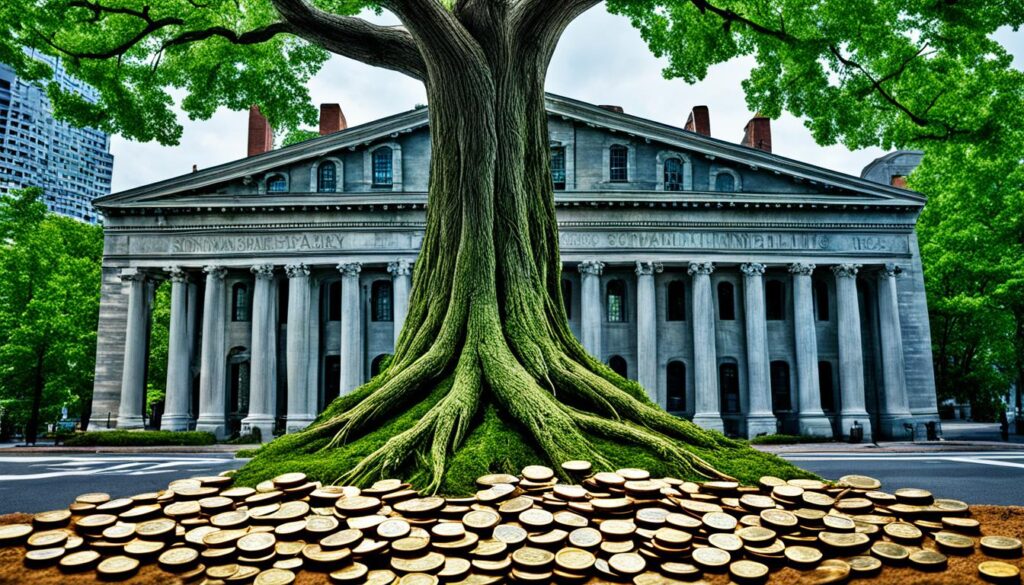
The future of retrofitting historic buildings looks promising as awareness grows and funding for such initiatives increases. Continued research and innovation in retrofitting technologies and materials will contribute to more sustainable practices. Collaboration between the preservation and sustainability communities is essential to ensure the best possible outcomes. By working together, we can create a future where retrofitting historic buildings is a standard practice, preserving our architectural legacy while achieving sustainability goals.
Advancing Awareness and Funding
Increasing awareness of the importance of retrofitting historic buildings is crucial for garnering support and funding for these initiatives. By educating the public about the value of preserving our architectural heritage while embracing sustainability, we can build a stronger case for investing in retrofitting projects. Governments, organizations, and individuals can contribute by providing financial resources to support retrofitting initiatives and incentivize property owners to undertake sustainable renovations.
Research and Innovation in Retrofitting
Ongoing research and innovation play a vital role in advancing retrofitting practices. By exploring new technologies, materials, and building techniques, we can find innovative solutions for retrofitting historic buildings while maintaining their historical integrity. For example, researchers are developing energy-efficient systems specifically designed to integrate seamlessly into historic structures, ensuring a balance between sustainability and preservation.
Collaboration between Preservation and Sustainability Communities
Collaboration between the preservation and sustainability communities is crucial for successfully retrofitting historic buildings. Preservation experts bring their knowledge of architectural history and conservation techniques, while sustainability professionals offer expertise in green building practices. By combining these two disciplines, we can identify the most effective ways to retrofit historic buildings without compromising their cultural significance and contribute to a more sustainable built environment.
Conclusion
Wood floor renovation for historic homes is a crucial step in preserving the rich cultural heritage of these buildings. Through the use of sustainable practices, we can achieve both the preservation of historical significance and sustainability goals. Retrofitting historic buildings requires careful consideration and adherence to guidelines, such as the Secretary of the Interior’s Standards for Rehabilitation.
By strategically planning the renovation process and incorporating energy-efficient technologies, we can successfully transform wood floors in historic homes while maintaining their original charm. It is essential to preserve architectural elements that define the unique character of these buildings, ensuring their historical integrity is intact.
By embracing the symbiotic relationship between preservation and sustainability, we can create a sustainable future for our cherished historic structures. Together, we can ensure the longevity and continued appreciation of our cultural heritage through wood floor renovation for historic homes.