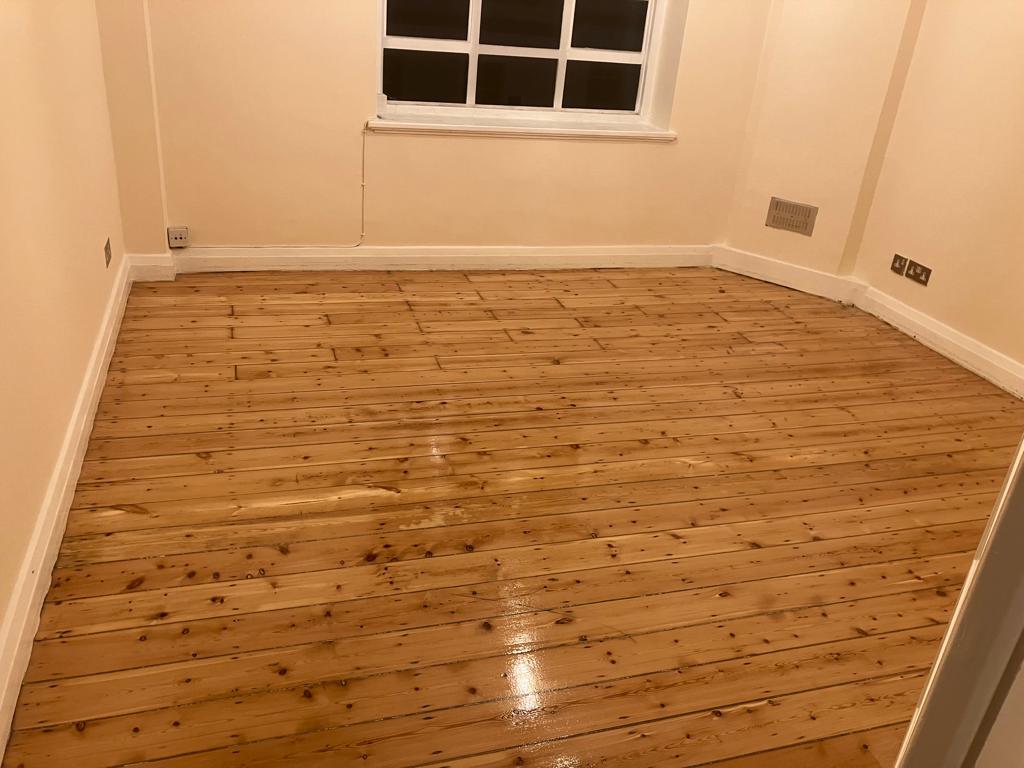
Wood is an essential material in interior design, but not all wood is created equal. Choosing certified sustainable wood products is crucial for supporting responsible forestry practices and creating eco-friendly spaces. Reshawood is a brand that offers a range of high-quality wood products that are sustainably sourced and environmentally friendly. This includes options such as naturally fallen wood, reclaimed wood, and FSC-certified wood. Using certified sustainable wood not only adds beauty to interior spaces but also promotes responsible forest management and reduces waste.
Key Takeaways:
- Choosing certified sustainable wood supports responsible forestry practices and eco-friendly interior design.
- Reshawood offers a variety of sustainably sourced wood products, including naturally fallen wood, reclaimed wood, and FSC-certified wood.
- Certified sustainable wood adds beauty to interior spaces while promoting responsible forest management and reducing waste.
- Using certified sustainable wood contributes to a more sustainable future and supports the use of green building materials.
- Certified sustainable wood is a renewable resource that can be responsibly sourced and replenished.
The Benefits of Naturally Fallen Wood in Interior Design
Naturally fallen wood is a valuable and eco-friendly resource that offers numerous benefits in the realm of interior design. This type of wood is sourced from trees that have fallen due to natural causes such as storms or disease, eliminating the need for cutting down healthy trees. Its unique characteristics and rustic finish make it highly desirable in many interior design styles, adding a touch of natural warmth and charm.
When incorporating naturally fallen wood into interior spaces, designers not only create visually stunning environments but also contribute to sustainable practices. By utilizing wood that has naturally fallen, the impact on live trees is minimized, preserving the natural ecosystem. This eco-friendly approach aligns with the growing demand for sustainable design and green building materials.
One of the key advantages of using naturally fallen wood in interior design is the abundant availability of distinctive and one-of-a-kind pieces. Each naturally fallen tree has its own story, resulting in unique grain patterns, colours, and textures that cannot be replicated. This exclusivity adds character and authenticity to interior spaces, creating a sense of connection to nature.
The rustic finish of naturally fallen wood brings a touch of natural beauty into any interior design project. Its organic appeal complements various design styles, from traditional farmhouse to modern rustic. Whether used for flooring, wall cladding, furniture, or decorative accents, the natural charm of this eco-friendly wood creates an inviting and soothing atmosphere.
In addition to its aesthetic appeal, naturally fallen wood offers practical benefits as well. Due to its resilience to weathering and aging, it is a durable and long-lasting material choice. When properly maintained, it can withstand the test of time, making it a sustainable alternative to other construction materials that may need frequent replacement.
Moreover, the use of naturally fallen wood in interior design promotes responsible forest management by reducing waste and maximizing the utilization of available resources. This supports the sustainability of forest ecosystems and helps combat deforestation.
The demand for eco-friendly wood and sustainable design continues to grow. Incorporating naturally fallen wood into interior spaces not only enhances the beauty and visual appeal but also showcases a commitment to sustainable practices. Designers who prioritize the use of naturally fallen wood contribute to a greener future and inspire others to explore eco-conscious design options.
The Charm of Reclaimed Wood in Interior Design
Reclaimed wood is a fascinating choice for interior design, adding character and history to any space. This eco-friendly and sustainable option is salvaged from old buildings or structures that are no longer in use. By giving new life to old materials, reclaimed wood reduces waste and offers a unique vintage look that complements various interior design styles.
One of the key advantages of using reclaimed wood is its ability to add a sense of history and charm to a space. Each piece of reclaimed wood carries its own story, showcasing the natural imperfections, unique textures, and weathered patina that only time can create. This creates a warm and inviting atmosphere, making it an ideal choice for creating a vintage or rustic aesthetic.
Moreover, reclaimed wood is an eco-friendly alternative to conventional wood. By repurposing existing materials, it eliminates the need to cut down additional trees, thereby reducing deforestation and its impact on the environment. Choosing reclaimed wood aligns with sustainable design principles, allowing interior designers to create stunning spaces while minimizing their ecological footprint.
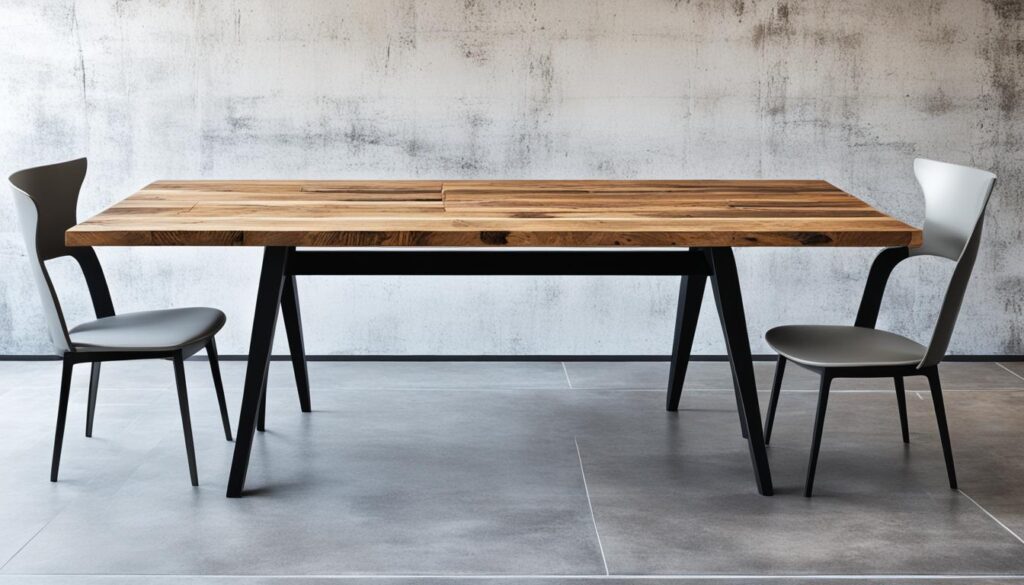
Reclaimed wood offers versatility in interior design, suitable for various applications such as flooring, wall cladding, furniture, and decorative accents. Its unique characteristics and natural beauty make every piece a statement, creating a truly one-of-a-kind space. Whether it’s a reclaimed wood accent wall, a reclaimed wood dining table, or reclaimed wood beams, its presence adds instant charm and authenticity.
Benefits of Reclaimed Wood in Interior Design |
|
|---|---|
|
 |
In conclusion, reclaimed wood offers a range of advantages for interior design projects. It is not only an eco-friendly and sustainable choice but also adds a unique vintage look and character to any space. By incorporating reclaimed wood into interior design, designers can create beautiful and environmentally conscious spaces that stand the test of time.
The Importance of FSC-Certified Wood in Interior Design
The Forest Stewardship Council (FSC) plays a significant role in ensuring responsible forest management. When it comes to interior design projects, choosing FSC-certified wood is essential for promoting sustainability and responsible forest practices.
FSC certification guarantees that the wood used in interior design comes from forests managed in an environmentally, socially, and economically responsible manner. This certification ensures that the wood is sourced from forests that prioritize conservation, biodiversity, and the rights of indigenous communities.
By using FSC-certified wood in interior design, designers can have peace of mind knowing that they are supporting responsible forest management and contributing to a more sustainable future. This choice also promotes the use of sustainable materials that have a lower impact on the environment, making it a win-win for both design and sustainability.
The Benefits of FSC-Certified Wood
FSC-certified wood offers numerous benefits that make it an ideal choice for interior design:
- Environmental Responsibility: FSC certification ensures that the wood comes from responsibly managed forests, reducing deforestation and promoting the regeneration of trees.
- Sustainability: Choosing FSC-certified wood supports the goal of sustainability by promoting responsible forest management practices and reducing the environmental impact of interior design projects.
- High Quality: FSC-certified wood meets strict standards of quality and performance, making it a reliable and durable material for various interior applications.
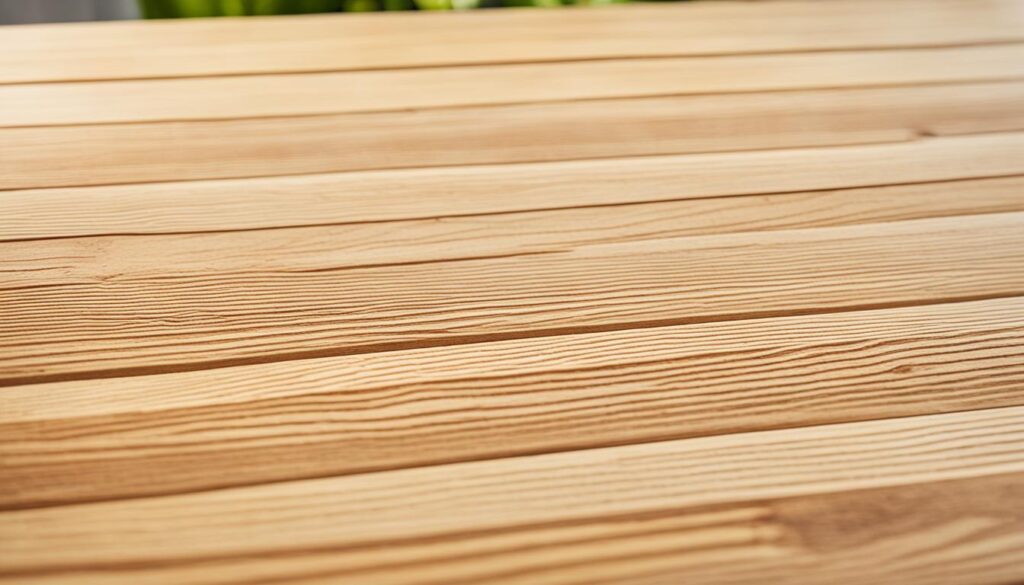
- Design Flexibility: FSC-certified wood is available in a wide range of species, finishes, and designs, allowing designers to achieve their desired aesthetic while maintaining a commitment to responsible practices.
- Positive Reputation: Using FSC-certified wood in interior design projects enhances a designer’s reputation as an advocate for sustainability and responsible sourcing of materials.
Overall, FSC-certified wood not only contributes to responsible forest management but also offers numerous benefits for interior design, including sustainability, design flexibility, and environmental responsibility.
| FSC-Certified Wood in Interior Design | Benefits |
|---|---|
| Environmental Responsibility | Reduces deforestation and promotes tree regeneration |
| Sustainability | Supports responsible forest management |
| High Quality | Meets strict standards of quality and performance |
| Design Flexibility | Available in various species, finishes, and designs |
| Positive Reputation | Advocacy for sustainability and responsible sourcing |
Green Building Materials: The Impact of Certified Sustainable Wood
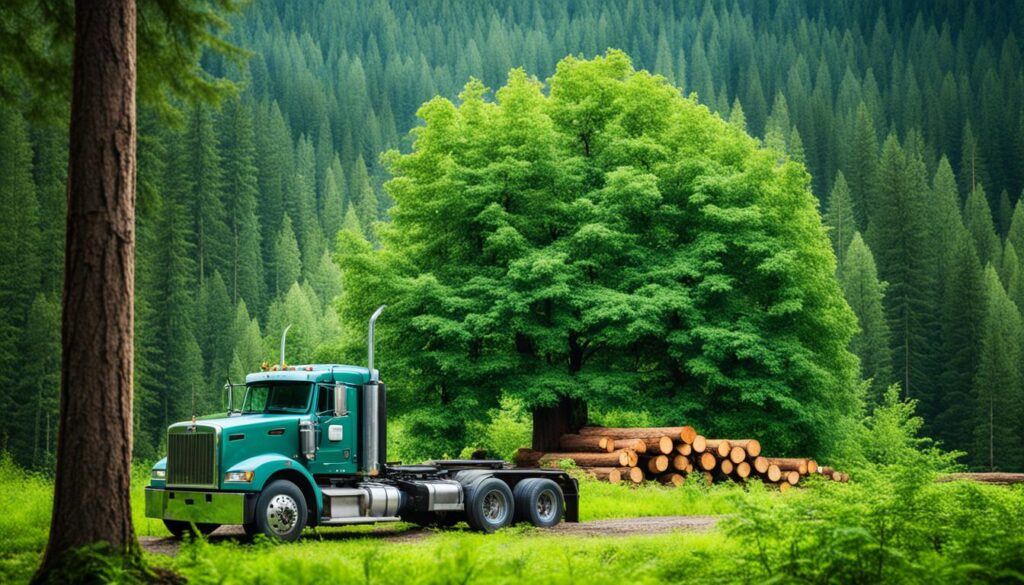
Using certified sustainable wood as a green building material has a positive impact on the environment. Certified sustainable wood comes from responsibly managed forests, reducing deforestation and promoting the regeneration of trees. It is a renewable and eco-friendly material choice that helps to reduce carbon emissions. By utilizing certified sustainable wood, interior designers and builders can contribute to a more sustainable future and create environmentally friendly spaces.
When it comes to building materials, the environmental impact is a crucial consideration. Choosing certified sustainable wood ensures that the wood used in construction comes from well-managed forests that prioritize responsible forest practices. This means that the wood is harvested in a way that maintains ecosystem health, protects biodiversity, and supports local communities.
By opting for green building materials like certified sustainable wood, architects and designers can significantly reduce the environmental footprint of their projects. Here are some key reasons why certified sustainable wood is an excellent choice for green building:
- Reduced Deforestation: Using certified sustainable wood helps to combat deforestation by promoting responsible harvesting practices. This ensures that trees are harvested at a sustainable rate, allowing for natural regeneration and the preservation of forest ecosystems.
- Carbon Emission Reduction: Trees naturally absorb carbon dioxide from the atmosphere, helping to mitigate climate change. By using certified sustainable wood, which comes from well-managed forests, the carbon stored in the wood remains locked away, reducing greenhouse gas emissions.
- Renewable Resource: Wood is a renewable building material. By using certified sustainable wood, architects and designers support the replenishment of forests and ensure a continuous supply of this valuable resource for future generations.
- Eco-Friendly Material: Certified sustainable wood is far more environmentally friendly than many alternative building materials. It has lower embodied energy compared to products like concrete or steel, meaning less energy is required during the production process.
“By choosing certified sustainable wood as a building material, we can create structures that are not only aesthetically pleasing but also in harmony with the environment.”
| Environmental Benefits of Certified Sustainable Wood | Advantages |
|---|---|
| Reduced deforestation | Promotes responsible forestry practices |
| Carbon emission reduction | Captures and stores carbon dioxide |
| Renewable resource | Supports forest replenishment and preserves natural habitats |
| Eco-friendly material | Lower embodied energy than alternative building materials |
Choosing certified sustainable wood as a green building material is a win-win situation. Not only does it contribute to a healthier planet by reducing environmental impact, but it also offers beauty, warmth, and versatility in design. Incorporating certified sustainable wood into construction projects is a significant step towards creating sustainable and eco-friendly spaces.
The Benefits of Certified Sustainable Wood in Interior Applications
Using certified sustainable wood in interior applications offers numerous benefits. Wood flooring, for example, can improve indoor air quality and reduce the presence of volatile organic compounds (VOCs). Wood flooring is also durable, long-lasting, and can be refinished rather than replaced, reducing waste. Additionally, wood is a renewable resource that can be responsibly sourced and replenished, making it an excellent choice for sustainable interior design.
When it comes to interior applications, certified sustainable wood stands out as a top choice. Its many advantageous characteristics make it a popular option for architects, designers, and homeowners alike.
The Advantages of Wood Flooring
Wood flooring is a highly desirable option for interior applications due to its aesthetic appeal and practicality. It offers a warm and inviting atmosphere that can enhance any design style. Moreover, wood flooring boasts several advantages:
- Improved indoor air quality: Certified sustainable wood flooring is free from harmful chemicals that can negatively impact air quality. It provides a healthier living environment for occupants.
- Reduction of VOCs: Volatile organic compounds are a common concern in interior spaces. By using certified sustainable wood flooring, the emission of VOCs is minimized, resulting in cleaner and fresher indoor air.
- Durability and longevity: Wood flooring is known for its durability and can withstand heavy foot traffic. It is a long-lasting option that can retain its beauty for many years when properly maintained.
- Refinishing capabilities: Unlike other flooring materials that may need to be replaced when damaged or worn, wood flooring can often be refinished. This process involves sanding and reapplying a new finish, giving the floor a fresh look without the need for replacement.
- Timelessness: Wood flooring has a timeless appeal that can adapt to various interior design styles. It adds a touch of elegance and sophistication to any space.
By choosing certified sustainable wood flooring, interior designers and homeowners can enjoy the beauty of wood while also contributing to sustainable practices and reducing their environmental impact.
Other Interior Applications of Certified Sustainable Wood
Wood’s versatility extends beyond flooring. It can be used in various interior applications to enhance the overall design and sustainability of a space. Some popular uses of certified sustainable wood in interior design include:
- Wall cladding: Wood wall cladding adds warmth and texture to a room. It creates a focal point and can be used to highlight architectural features.
- Countertops and tabletops: Wood countertops and tabletops offer a natural and organic element to kitchens, bathrooms, and dining areas. They provide a warm and welcoming surface for daily activities.
- Cabinetry and shelving: Wood cabinetry and shelving units add charm and functionality to any space. They offer storage solutions while creating a visually appealing design.
- Furniture: From chairs to beds, wood furniture pieces are known for their timeless appeal and durability. Certified sustainable wood furniture pieces not only contribute to sustainable practices but also bring natural beauty into the interior design.
- Architectural details: Wood can be incorporated into interior design through various architectural details such as beams, trims, and mouldings. These details add character and interest to a space.
By utilizing certified sustainable wood in these interior applications, designers and homeowners can create beautiful, functional, and eco-friendly living spaces.
Certifications for Green Building Initiatives
When it comes to green building initiatives, there are several certifications and programs that provide guidelines and standards for sustainable construction. These certifications ensure that building projects adhere to eco-friendly practices, promoting energy efficiency, responsible resource management, and environmental sustainability.
LEED (Leadership in Energy and Environmental Design) is one of the most widely recognized green building certifications. It focuses on various aspects of sustainable design and construction, such as energy efficiency, water conservation, indoor air quality, and materials selection. LEED certification provides architects, designers, and builders with a framework to create environmentally responsible and high-performing buildings.
The Forest Stewardship Council (FSC) certification guarantees responsible forest management practices. It ensures that wood and wood-based products used in construction and design come from sustainably managed forests. This certification promotes the protection of the world’s forests and the communities that depend on them, safeguarding biodiversity and mitigating climate change.
The Living Building Challenge certification takes a comprehensive approach to sustainable construction. It considers the entire life cycle of a building, from design and construction to operation and maintenance. This certification encourages projects to achieve net-zero energy and water consumption, use non-toxic materials, prioritize social equity, and create regenerative spaces that give back to the environment and the community.
| Certification | Focus Areas | Description |
|---|---|---|
| LEED |
|
Widely recognized green building certification that provides guidelines for sustainable design and construction. |
| FSC |
|
Certification that promotes the use of wood from sustainably managed forests, protecting biodiversity and supporting local communities. |
| Living Building Challenge |
|
Comprehensive certification that encourages projects to create regenerative spaces with minimal environmental impact. |
The use of certified green building materials, such as FSC-certified wood, can contribute to achieving LEED or Living Building Challenge certifications, demonstrating a commitment to sustainability and responsible resource management.
These certifications enable architects, designers, and builders to incorporate sustainable practices into their projects and make a positive impact on the environment. By meeting the standards set forth by these certifications, professionals can create healthier, more efficient, and environmentally friendly buildings that contribute to a sustainable future.
Conclusion
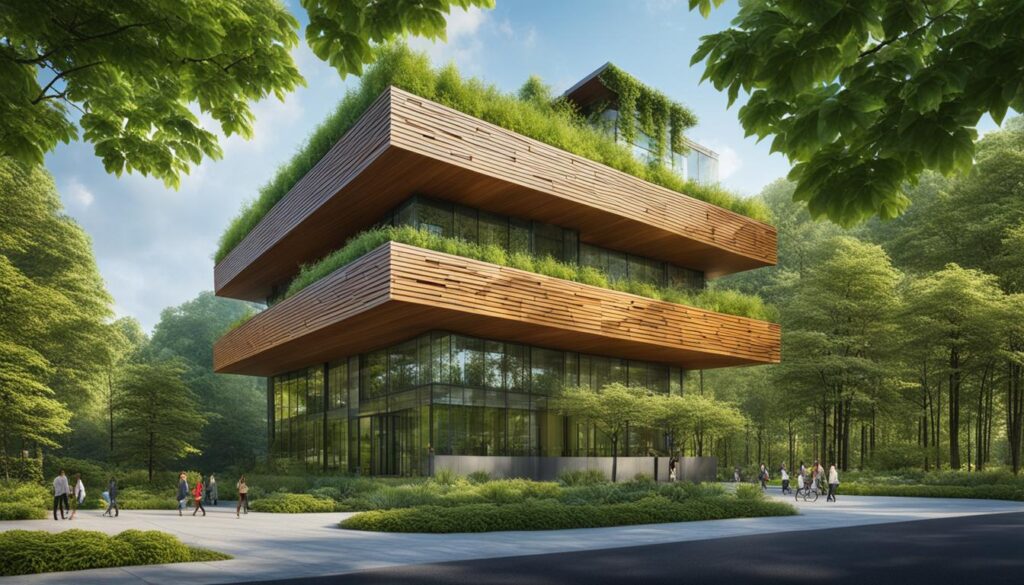
Certified sustainable wood is a cornerstone of sustainable interior design. By opting for responsibly sourced wood products, interior designers can create stunning and environmentally friendly spaces that contribute to responsible forest management and waste reduction. Certified sustainable wood offers a myriad of benefits, ranging from its distinctive aesthetics to its positive impact on the environment. By integrating certified sustainable wood into interior design projects, designers can play an active role in building a more sustainable future and advocating for the use of green building materials.