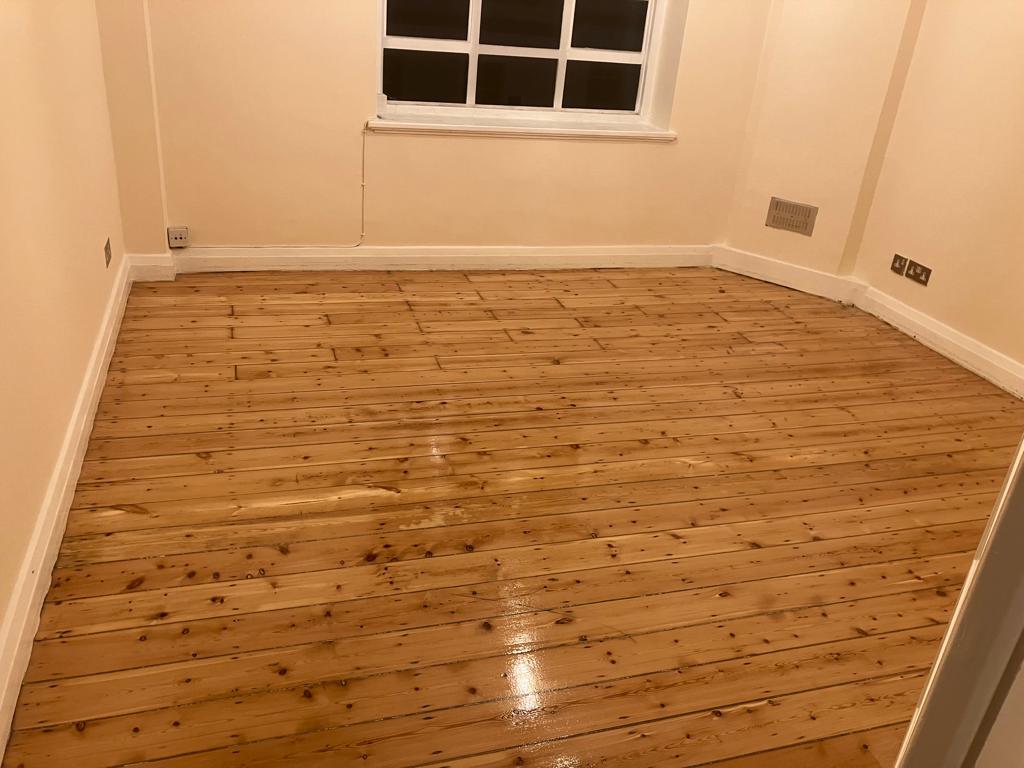
Repurposing Wood Flooring offers a creative and sustainable approach to interior design, allowing homeowners to give old wood floors new life while reducing waste. By upcycling wood flooring, you can create unique and eco-friendly designs that add character and warmth to your space. Whether you’re looking for DIY reclaimed wood projects or inspiration for creative wood flooring reuse, there are countless possibilities to explore. Let’s delve into the world of repurposing wood flooring and discover the trends and methods that can transform your home.
Key Takeaways:
- Repurposing wood flooring allows for creative and sustainable interior design.
- Upcycling wood flooring reduces waste and gives old floors new life.
- DIY reclaimed wood projects offer personalized design expressions.
- Eco-friendly wood flooring solutions contribute to a greener home.
- Exploring repurposed hardwood flooring trends can inspire unique designs.
The Fascinating History of Wooden Floors
Wooden floors have been an integral part of interior design for centuries, with a rich history that reflects different cultural influences and design trends. From ancient Egypt to the mid-20th century, wooden flooring has continuously evolved in style and materials, leaving a lasting impact on the world of interior design.
Ancient Origins
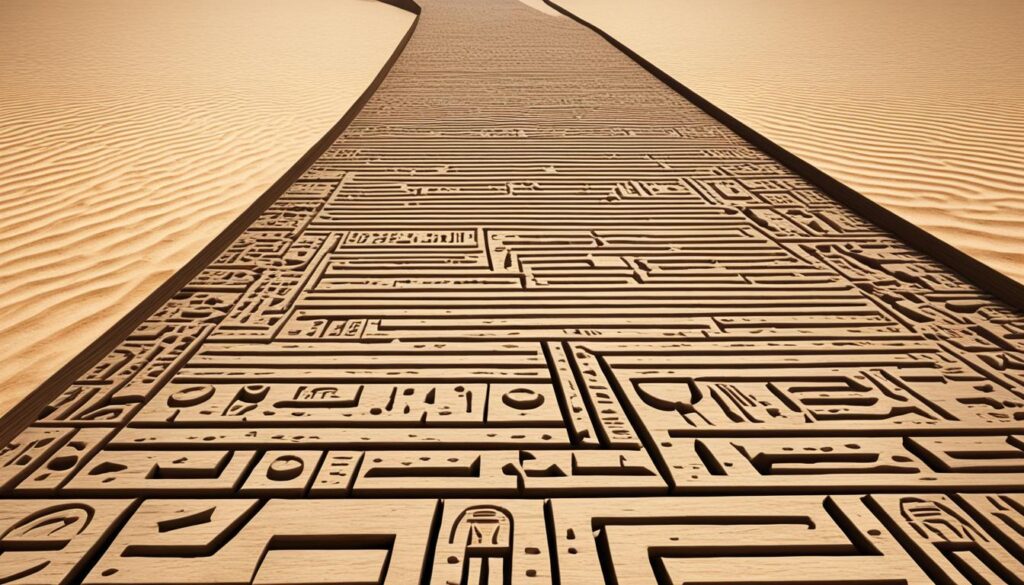
The roots of wooden flooring trace back to ancient civilizations such as ancient Egypt, the Roman Empire, and ancient China. In ancient Egypt, palm tree logs were used as primitive wooden floors, providing a sturdy and natural foundation for dwellings and palaces.
The Romans, renowned for their architectural prowess, introduced intricate mosaic patterns in their wooden floors, showcasing exquisite craftsmanship and attention to detail. Meanwhile, ancient China embraced simplicity and elegance with traditional tatami mats made of wood, creating a refined and comfortable living environment.
Evolution in Europe
During the Middle Ages in Europe, simple plank designs were commonplace in castles, churches, and other medieval structures. The Renaissance era brought about a shift towards more ornate patterns and the use of exotic woods, elevating wooden flooring to a new level of grandeur.
“The beauty of wooden flooring lies in its ability to adapt to different design styles and cultural influences.” – Interior Design Expert
Wooden flooring flourished further during the colonial period in America, where wide plank flooring became a popular choice, emphasizing durability and functionality. In Victorian England, elaborate designs and intricate parquet patterns became the epitome of elegance and luxury.
Industrial Revolution and Modern Influences
The industrial revolution in the 18th and 19th centuries played a crucial role in making wooden flooring more accessible to the masses. Innovations in materials and installation techniques allowed for faster and more efficient production, making wooden flooring a staple in homes and commercial buildings.
In the mid-20th century, wooden flooring experienced a resurgence in popularity during the mid-century modern movement. This design style emphasized simplicity, clean lines, and functionality, with wooden floors serving as the perfect complement to the minimalist aesthetic.
Throughout history, wooden flooring has consistently adapted to changing design trends, showcasing its versatility and timeless appeal in interior design.
| Period | Key Characteristics |
|---|---|
| Ancient Egypt | Palm tree logs used as primitive wooden floors |
| Roman Empire | Intricate mosaic patterns |
| Ancient China | Traditional tatami mats made of wood |
| Medieval Europe | Simple plank designs in castles and churches |
| Renaissance era | More ornate patterns and use of exotic woods |
| Colonial period | Wide plank flooring in America |
| Victorian England | Elaborate designs and intricate parquet patterns |
| Industrial revolution | Accessibility and innovations in materials |
| Mid-20th century | Mid-century modern movement with a focus on simplicity and functionality |
The Present and Future of Wooden Flooring
Wooden flooring has continued to evolve in modern interior design, offering a wide range of options for homeowners. From traditional solid hardwood flooring to innovative alternatives like engineered wood flooring, there are numerous choices to suit various preferences and requirements.
Solid hardwood flooring remains a popular choice for its durability and timeless appeal. Crafted from a single piece of wood, this flooring type can be sanded and refinished multiple times, allowing for long-lasting beauty. It adds warmth and a natural aesthetic to any space, making it a versatile option for various interior design styles.
Engineered wood flooring is another sought-after choice due to its enhanced stability and resistance to moisture. Composed of layers of wood and plywood, this type of flooring offers greater durability and is less susceptible to warping or damage caused by environmental factors. It is an excellent option for areas with fluctuating humidity levels, such as kitchens or bathrooms.
In addition to traditional options, there have been significant advancements in wood flooring materials. Laminate and luxury vinyl plank (LVP) are innovative alternatives that provide enhanced durability and versatility. While offering the visual appeal of wood flooring, these materials are more resistant to scratches, stains, and moisture. They are easy to maintain and can withstand everyday wear and tear, making them ideal for high-traffic areas in homes.
With an increasing focus on sustainability, homeowners are also keen on sustainable wood sourcing and eco-friendly finishes. The industry has placed a significant emphasis on responsible environmental practices, ensuring that wood used for flooring is sourced from well-managed forests or through responsible logging practices. This ensures the preservation of natural resources and supports the longevity of the wood flooring industry.
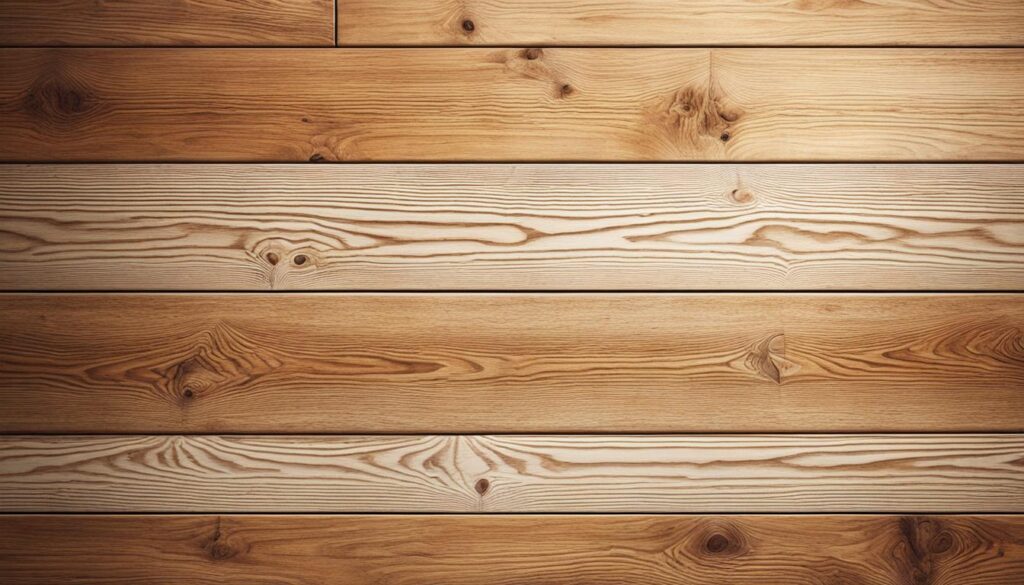
Looking ahead, the future of wooden flooring lies in continued advancements in materials, finishes, and customization options. Manufacturers are exploring new techniques and technologies to offer homeowners a wider range of innovative wood flooring options. This includes exploring different wood species, finishes, and installation methods to cater to the evolving needs and preferences of consumers.
Repurposing Wood Flooring in Interior Design
Repurposing wood flooring offers endless possibilities for creating unique and sustainable designs in interior design. By repurposing wood flooring, homeowners can contribute to eco-friendly home decor while adding character and warmth to their spaces.
DIY wood projects provide an opportunity for homeowners to showcase their creativity and personalize their design expressions. Whether it’s crafting furniture, building shelving units, or creating unique decor items, repurposing wood flooring allows for a truly bespoke touch to interior design.
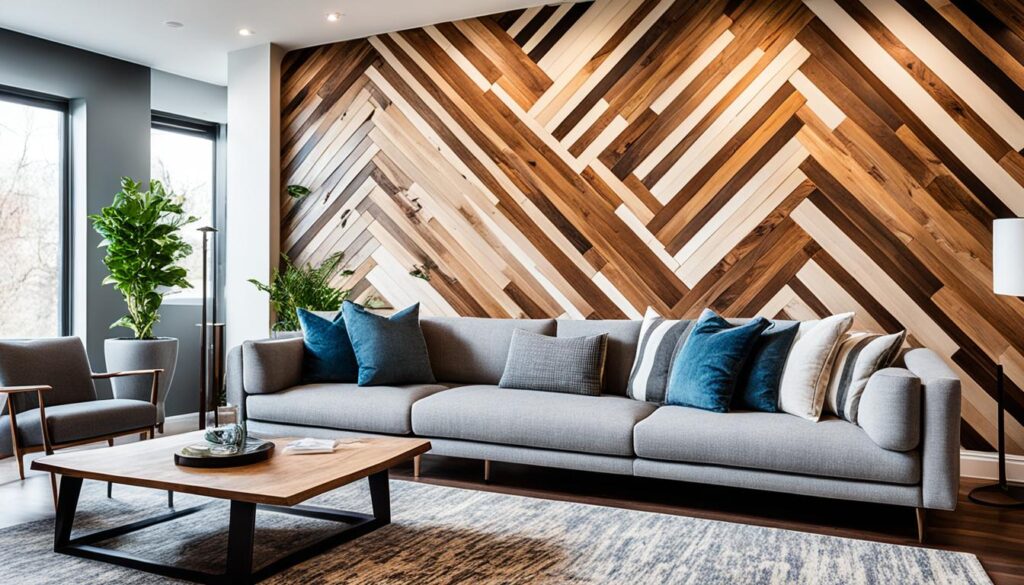
Upcycled wood flooring takes the concept of repurposing to the next level. It can be used to create eye-catching accent walls, stunning backsplashes, or even one-of-a-kind flooring patterns. By incorporating upcycled wood flooring into interior design, homeowners can add a touch of rustic charm and make a statement with sustainable materials.
The creative reuse of wood flooring goes beyond aesthetics. Each repurposed floor has a story to tell, reflecting the history of the material and the homeowner’s individual style. From salvaged barnwood to reclaimed parquet, the repurposing of wood flooring becomes a unique feature that adds character and depth to any interior space.
“Repurposing wood flooring not only reduces waste but also showcases the beauty and versatility of this timeless material.”
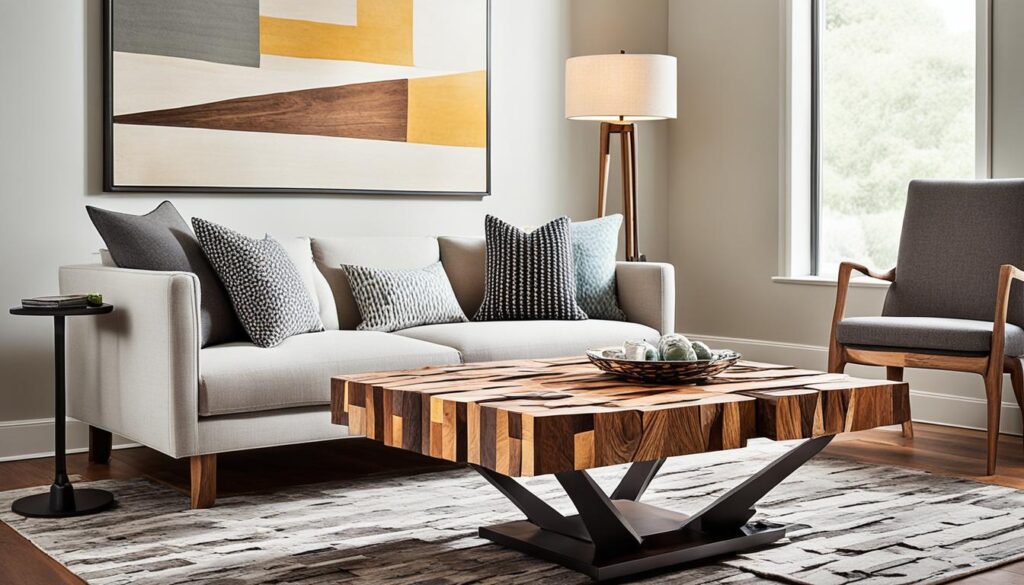
So, why let old wood flooring go to waste when it can be repurposed to create stunning focal points and sustainable designs? Embracing repurposed wood flooring in interior design not only contributes to eco-friendly home decor but also highlights the beauty and versatility of this timeless material.
Repurposed Wood Flooring Ideas:
- Create a unique accent wall using repurposed wood flooring.
- Construct a DIY coffee table or bookshelf with salvaged wood flooring.
- Add warmth and texture to a space by using repurposed wood flooring as a backsplash.
- Design a one-of-a-kind headboard using upcycled wood flooring.
- Transform old wood flooring into custom picture frames or wall art.
- Combine repurposed wood flooring with new planks to create intricate flooring patterns.
By exploring repurposed wood flooring ideas and incorporating them into interior design projects, homeowners can create eco-friendly and visually stunning spaces that tell a story.
Repurposing Wood Flooring in Interior Demolition
Repurposing wood flooring in interior demolition projects promotes environmental sustainability and offers unique design opportunities. It’s a creative and responsible way to give old flooring new life while reducing waste. By salvaging lumber from interior demolition sites, homeowners can create furniture and decor items that have a rustic appeal and contribute to sustainable home decor.
For those with an artistic flair, salvaged metal art is a fantastic way to transform discarded metal pieces into stunning sculptures and wall hangings. These salvaged metal art pieces not only add a unique touch to interior spaces but also prevent metal waste from ending up in landfills.
| Repurposed Wood Flooring Ideas | Benefits |
|---|---|
| Reclaimed Wood Furniture | Brings character and durability to interior spaces while reducing waste |
| Upcycling Paint Samples | Adds color and creativity to decor projects |
| Vintage Lighting Fixtures | Adds a vintage touch and becomes unique focal points in modern designs |
| Landscaping with Bricks and Fabric Scraps | Enhances outdoor spaces while reducing waste |
| Reclaimed Flooring | Brings a sense of history and uniqueness to interior design |
| Salvaged Doors and Windows | Can be repurposed into furniture or decor pieces, adding charm and sustainability to the space |
Upcycling paint samples and cans is another way to repurpose materials from interior demolition. By using leftover paint samples, homeowners can add a pop of color and creativity to decor projects, giving them a unique and personal touch.
Remember, with repurposing, there are no limits to creativity. Your imagination is the only boundary.
If you’re looking to add a vintage touch to your interior design, consider incorporating vintage lighting fixtures. These fixtures not only provide the perfect ambient lighting but also become unique focal points that evoke a sense of nostalgia and charm.
When it comes to outdoor spaces, landscaping with salvaged bricks and fabric scraps is a great way to create a sustainable and visually appealing environment. These repurposed materials can be used to build pathways, planters, or even outdoor seating areas, adding character and reducing waste.
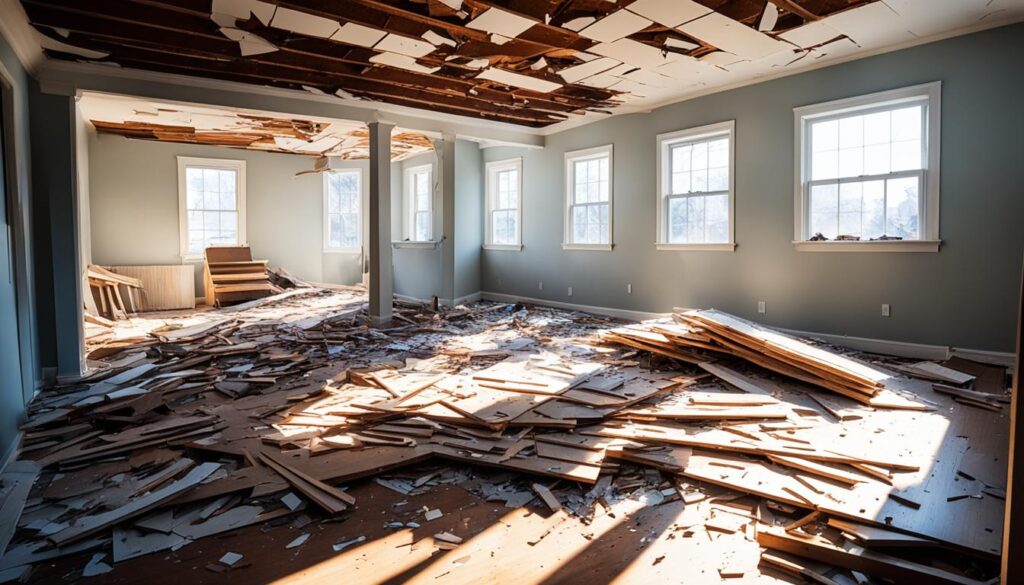
Reclaimed flooring is another wonderful option for interior design. It carries a sense of history and uniqueness that can’t be replicated with new materials. Whether it’s reclaimed hardwood flooring, reclaimed tiles, or reclaimed laminate, the character and charm of reclaimed flooring can elevate any space.
Don’t forget about salvaged doors and windows! These architectural elements can be repurposed into furniture or decor pieces, adding charm and sustainability to the space. From antique doors turned into dining tables to vintage windows transformed into decorative mirrors, the possibilities are endless.
Repurposing wood flooring in interior demolition projects not only promotes environmental responsibility but also encourages creative reuse of materials. It’s a win-win situation, allowing you to create unique designs while reducing waste and contributing to a more sustainable future.
Companies Making an Impact for a Better World
Several sustainable flooring companies are leading the way in innovative solutions and eco-friendly practices. These companies are committed to reducing emissions, improving indoor air quality, and repurposing waste materials, making a positive impact on the environment. Let’s take a closer look at some of these pioneering companies:
HMTX
HMTX has developed an innovative circular flooring system called SRP TPU flooring. This groundbreaking technology transforms waste plastic bottles into high-quality flooring material, reducing plastic waste and contributing to a more sustainable future.
Shaw Contract
Shaw Contract is dedicated to reducing emissions and achieving net zero operations by 2030. They prioritize sustainability while creating innovative and visually stunning flooring designs, ensuring that style and environmental consciousness go hand in hand.
Tarkett
Tarkett has partnered with Allergy Standards Limited to address indoor air quality concerns and promote healthier environments. Their flooring solutions are designed to improve indoor air quality and contribute to the well-being of individuals and communities.
Benchwick
Benchwick has taken a bold step towards reducing plastic pollution by creating Blue 11, a flooring product made with 80% recycled ocean plastic. This innovative solution not only repurposes waste materials but also helps protect our oceans.
Mohawk Group
Mohawk Group’s Taking Root collection is manufactured with low embodied carbon, supporting enhanced circularity efforts in flooring production. By prioritizing sustainability and reducing carbon emissions, Mohawk Group is shaping a greener future for the industry.
These companies exemplify how innovative flooring solutions, circular practices, and a focus on reducing environmental impact can drive positive change. By choosing flooring products from these sustainable flooring companies, consumers can make a difference and contribute to a better world.
Conclusion
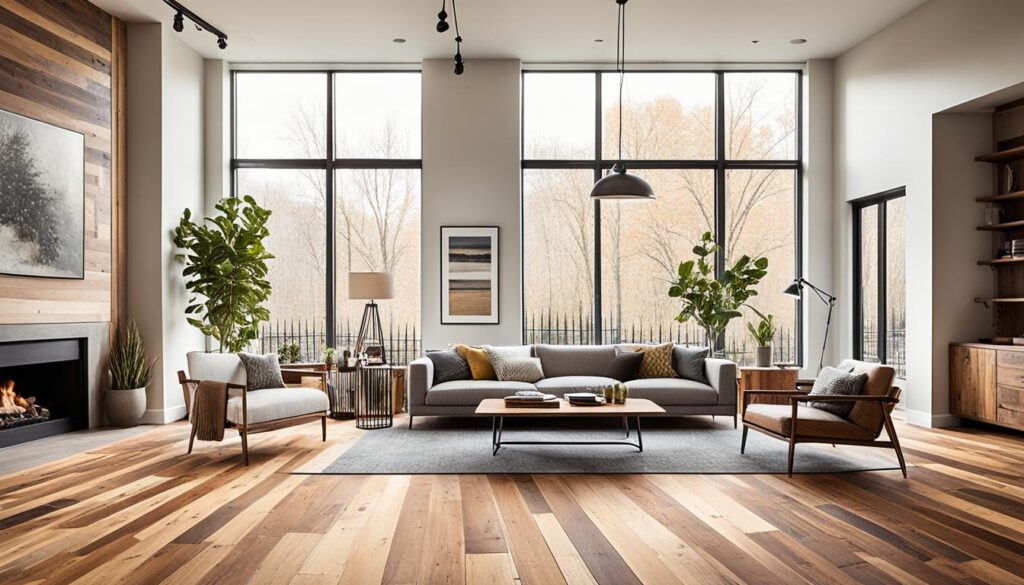
Repurposing wood flooring in interior design offers a wealth of opportunities for creating unique and sustainable spaces. By repurposing wood flooring, homeowners can contribute to eco-friendly interior design while expressing their personal style. Whether through DIY projects, salvaging materials from interior demolition, or incorporating sustainable flooring options from innovative companies, repurposing wood flooring allows for the creation of distinctive and environmentally conscious spaces. Embracing the principles of creative reuse and sustainable design, repurposing wood flooring is a responsible and inspiring approach to interior decor.