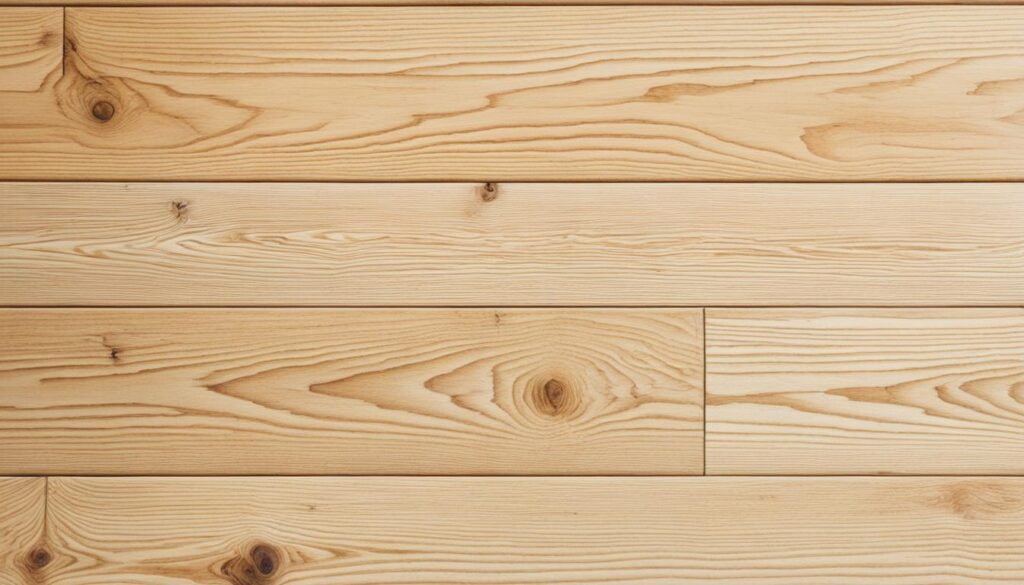
Wood floor renovation is the process of restoring and revitalising wooden floors to their former glory. When engaging in this process, it is essential to strike a balance between aesthetics and sustainability to create a beautiful space while minimizing the environmental impact. Whether you are considering hardwood floor restoration, refinishing wood floors, professional floor refurbishment, floor sanding and finishing, engineered wood floor repair, parquet floor remodeling, laminate floor renewal, or any other floor refurbishing services, incorporating sustainable practices is key.
By choosing sustainable wooden floors that come with recognized certifications such as FSC or PEFC, you can ensure that the wood used comes from sustainably managed forests. This not only reduces the carbon footprint but also promotes a circular economy. Sustainable wooden floors also employ advanced production processes that save energy and raw materials, contributing to ecological and economic efficiency.
Key Takeaways
- Wood floor renovation involves restoring and revitalizing wooden floors to their former glory.
- It is important to balance aesthetics and sustainability in the renovation process.
- Choosing sustainable wooden floors promotes responsible forest management and reduces the carbon footprint.
- Certifications such as FSC or PEFC ensure that the wood comes from sustainably managed forests.
- Sustainable wooden floors employ advanced production processes that save energy and raw materials.
The Biophilic Experience of Sustainable Wooden Floors
Sustainable wooden floors offer more than just aesthetic appeal and environmental benefits. They provide a biophilic experience, tapping into our deep-seated attraction to natural forms and materials. This biophilic connection has been scientifically proven to enhance our psychological well-being and promote a better quality of life.
Imagine walking barefoot on a sustainable wooden floor, feeling the warmth and texture of the natural wood beneath your feet. This sensory richness and emotional connection with the environment can have profound effects on our mental and physical health.
Not only that, but wooden floors also possess moisture management properties that contribute to a healthier indoor environment. They help regulate indoor climate variables, such as humidity, which directly impacts respiratory health. By maintaining optimal humidity levels, sustainable wood floors can create a comfortable and breathable living space.
Furthermore, incorporating biophilic design elements into built environments, including sustainable wood floors, has been shown to reduce stress, improve cognitive performance, and enhance overall psychological well-being. By integrating nature-inspired features into our living spaces, we create harmonious surroundings that promote tranquility and foster a stronger connection with the natural world.
It’s worth mentioning that sustainable wooden floors, when properly managed and certified, can also contribute to better indoor air quality. Unlike synthetic flooring materials, they can have lower emissions of volatile organic compounds (VOCs), ensuring a healthier and cleaner air environment for you and your family.
The Circularity of Wood as a Sustainable Material
Wood is a remarkable material that embodies sustainability in multiple ways. Its circularity stems from being renewable, recyclable, biodegradable, and versatile, making it a highly sustainable choice for various applications.
One of the key aspects of wood’s circularity is its renewable nature. Wood comes from trees, which can be replanted and grown again, ensuring a continuous supply of this valuable resource. By choosing wood, we contribute to the preservation and regeneration of our forests, promoting a sustainable material source for future generations.
Wood’s recyclability enhances its circularity by enabling us to give it new life even after its initial use. Old wood can be repurposed and transformed into new products like furniture or flooring, extending its lifespan and reducing waste. This recycling process not only saves valuable resources but also reduces the demand for new wood, minimizing the environmental impact of harvesting and processing.
Biodegradability is another crucial characteristic of wood that contributes to its circularity. When wood products reach the end of their lifecycle, they can be composted and naturally decomposed, returning valuable nutrients to the soil and closing the biological loop. This natural decomposition process avoids the accumulation of waste and eliminates the need for landfill space, promoting a more sustainable approach to waste management.
Wood’s versatility is an essential factor in its circularity. It can be used in various applications, including construction, furniture, paper, and more. This adaptability opens up diverse opportunities for reusing and repurposing wood, reducing the need for less durable and environmentally impactful materials such as plastic or metal. Wood’s versatility allows it to continue serving different functions throughout its lifecycle, maximizing its value and minimizing waste.
Overall, wood’s circularity as a sustainable material stems from its ability to be renewed, recycled, biodegraded, and its versatility in various applications. By embracing wood as a renewable and eco-conscious choice, we can contribute to a more sustainable future.
| Wood’s Circular Attributes | Benefits |
|---|---|
| Renewable | – Supports sustainable forest management – Reduces carbon footprint – Promotes regenerative practices |
| Recyclable | – Extends wood’s lifespan – Reduces waste – Minimizes demand for new wood |
| Biodegradable | – Returns valuable nutrients to the soil – Eliminates the accumulation of waste – Promotes a sustainable approach to waste management |
| Versatile | – Enables reuse and repurposing – Reduces reliance on less durable materials – Maximizes value throughout the lifecycle |

Sources:
– Sustainable Construction Materials: Wood, American Institute of Architects (AIA)
– The Forest Products Industry’s Role in the Circular Economy, Forest Products Journal
Energy Efficiency and Thermal Properties of Wood Floors
Wood floors offer excellent energy efficiency due to their thermal properties. The cellular structure of wood provides excellent thermal insulation, reducing the energy consumption required for heating and cooling. This not only has environmental benefits but also helps reduce pressure on electricity grids and fossil fuel reserves.
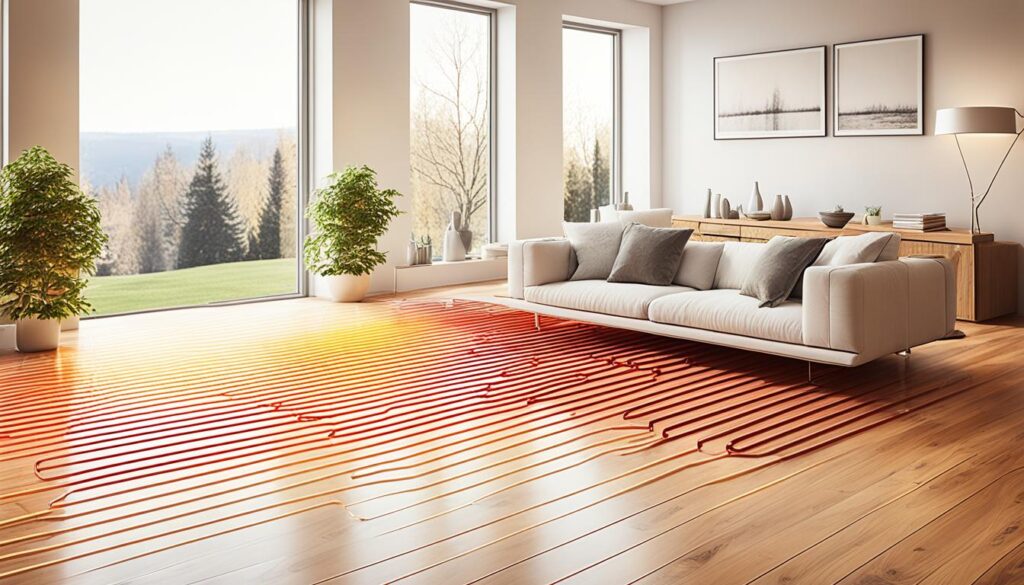
Wood is also a good conductor of low-temperature heat, making it an ideal choice for use with underfloor heating systems. This promotes comfort and increases the energy efficiency of the heating systems, resulting in both ecological and economic benefits.
Wood floors also have sound deadening properties, contributing to overall acoustic comfort in a space, which can positively impact mental health and productivity.
Benefits of Energy Efficiency and Thermal Properties:
- Reduced energy consumption for heating and cooling
- Lower carbon footprint and reduced pressure on electricity grids
- Increased comfort and energy efficiency with underfloor heating
- Improved acoustic comfort for better mental health and productivity
The thermal properties of wood floors help to create a cozy environment without the need for excessive heating or cooling. By reducing energy consumption and promoting comfort, wood floors contribute to sustainable living and a better quality of life.
Durability and Hygiene of Wood Floors
Wood floors are renowned for their remarkable durability and longevity, even when subjected to heavy use and wear and tear. They possess exceptional resistance against scratches, dents, and stains, making them significantly easier to maintain compared to other types of flooring materials.
Their inherent durability is a key advantage, ensuring that wood floors remain in impeccable condition over time, thereby enabling homeowners to enjoy their beauty for years to come. This durability makes them particularly well-suited for high-traffic areas in residential and commercial spaces alike.
Another significant benefit of wood floors is their ease of cleanliness, which is essential for maintaining a hygienic living environment. In households with children who often play and crawl on the floor, ensuring proper hygiene is crucial.
Wood floors have a less porous surface compared to other flooring materials, meaning they are less likely to harbor dirt, bacteria, and allergens. This less porous nature makes wood floors inherently cleaner, creating a healthier indoor environment for the entire family.
Moreover, wood floors are slip-resistant and inherently less slippery than other hard flooring materials. This characteristic reduces the risk of slips and falls, providing a safer environment, especially for households with children or elderly individuals.
Furthermore, wood floors contribute significantly to noise reduction. Their solid surface minimizes sound transmission and absorbs noise, creating a quieter and more comfortable living environment.
Overall, the durability, ease of cleaning, resistance to scratches and stains, hygiene, and slip-resistant nature of wood floors make them an exceptional choice for homeowners seeking both aesthetic appeal and functional practicality.
Indoor Air Quality and Health Benefits of Wood Floors
When it comes to the well-being of our loved ones, indoor air quality plays a critical role, especially for vulnerable groups like children. One way to enhance indoor air quality is by choosing wood floors, which offer numerous health benefits and contribute to a healthier living environment.
Wood floors have a unique advantage over other flooring materials when it comes to reducing the retention of dust particles and allergens. Unlike carpeting or rugs, which can trap and accumulate these microscopic particles, wood floors provide a smoother surface that is easier to clean and maintain. By regularly sweeping or vacuuming, dust and allergens can be effectively removed, minimizing exposure and promoting better respiratory health.
For families with young children who spend a significant amount of time playing or crawling on the floor, the reduced retention of dust particles and allergens offered by wood floors is crucial in creating a safe and healthy environment.
Moreover, properly managed and certified wooden floors can have lower emissions of volatile organic compounds (VOCs). VOCs are chemicals released from numerous everyday items such as cleaning products, furnishings, and synthetic flooring materials. High levels of VOCs can contribute to poor indoor air quality and have been linked to various health issues, including respiratory problems. By choosing wood floors, you can help reduce the risk of such health complaints.

Wood floors not only contribute to better indoor air quality but also create a healthier living environment. With their smooth surface and easy-to-clean nature, wood floors minimize the buildup of allergens and provide a hygienic space for your family. By embracing the natural beauty of wood and prioritizing indoor air quality, you can create a home that promotes a healthier, more comfortable, and vibrant lifestyle.
The Beauty and Environmental Consciousness of Sustainable Timber
Sustainable timber is not only visually appealing but also embodies environmental consciousness. It is crafted from trees grown in well-managed forests and showcases the natural patterns and colors that make each piece unique. Sustainable timber is a renewable resource, as forests can be replanted and harvested continuously. Its production has a lower carbon footprint compared to other construction materials, as trees absorb carbon dioxide and mitigate climate change. Sustainable timber also contributes to preserving biodiversity and protecting habitats of wildlife. By choosing sustainable timber, individuals can create stunning environments while supporting responsible forest management and reducing the ecological impact of the timber industry.

Conclusion
When it comes to wood floor renovation, finding the right balance between aesthetics and sustainability is essential. Choosing sustainable wooden floors allows you to have a space that is not only visually pleasing but also reflects your commitment to environmental consciousness. These floors offer timeless beauty while promoting responsible forest management, reducing carbon emissions, and contributing to better indoor air quality.
Wood, as a circular material, holds numerous advantages. It is renewable, recyclable, biodegradable, and versatile. In addition to its aesthetic appeal, wooden floors provide excellent thermal insulation properties, ensuring energy efficiency and creating an environmentally conscious living space. The acoustic comfort they offer, combined with durability, ease of maintenance, and hygienic properties, make them an ideal choice for families, especially those with children.
Furthermore, sustainable timber, used in the production of these floors, embodies both natural beauty and environmental consciousness. By opting for wood floor renovation projects using sustainable materials, you contribute to the preservation of precious forests, promote biodiversity, and reduce the ecological impact of the timber industry.
In summary, wood floor renovation allows you to achieve a balance between aesthetics and sustainability. By choosing sustainable wooden floors and embracing the concept of environmental consciousness, you not only create a visually stunning space but also make a positive impact on the planet, providing a healthier and more sustainable home for generations to come.