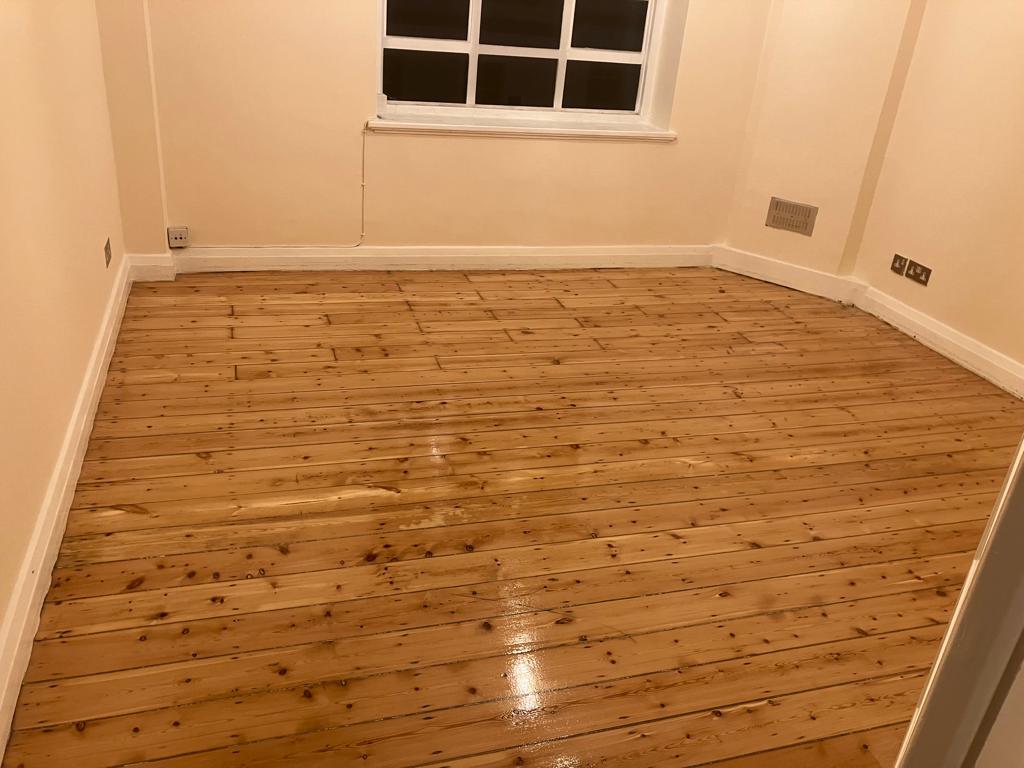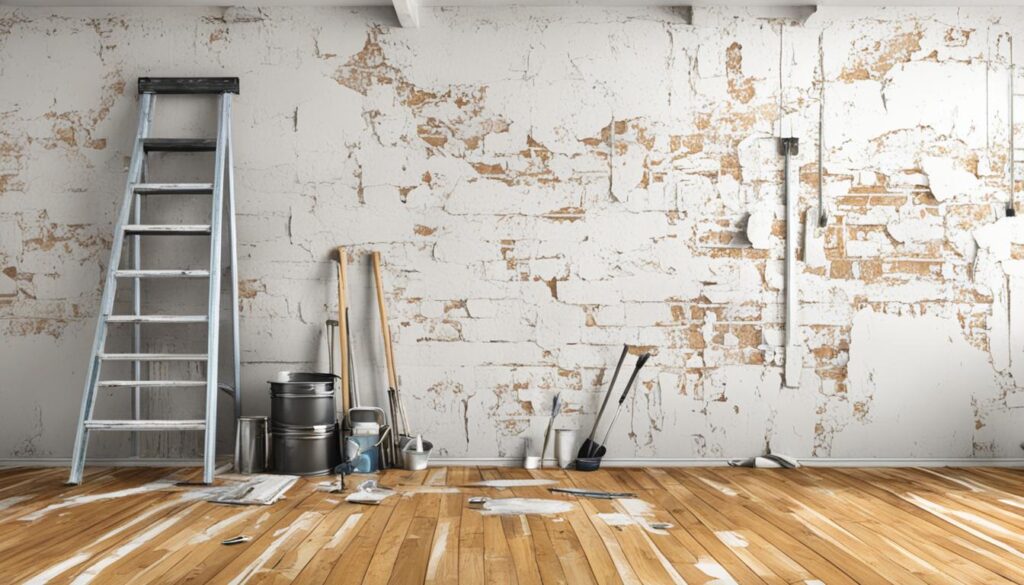
Wood floors are a timeless choice when it comes to renovation projects. But have you considered embracing imperfection and opting for distressed wood floors? By celebrating the unique features and imperfections of aged wood, distressed wood floors add character and warmth to any space. Rather than erasing the history and charm of a building, they showcase its story, preserving memories and creating a rustic and charming atmosphere.
Key Takeaways:
- Distressed wood floors add character and warmth to renovation projects.
- They celebrate the unique features and imperfections of aged wood.
- By showcasing the history and charm of a building, they preserve memories.
- Distressed wood floors create a rustic and charming atmosphere in any space.
- They provide a versatile and attractive option for homeowners and interior designers.
The Appeal of Distressed Wood Flooring
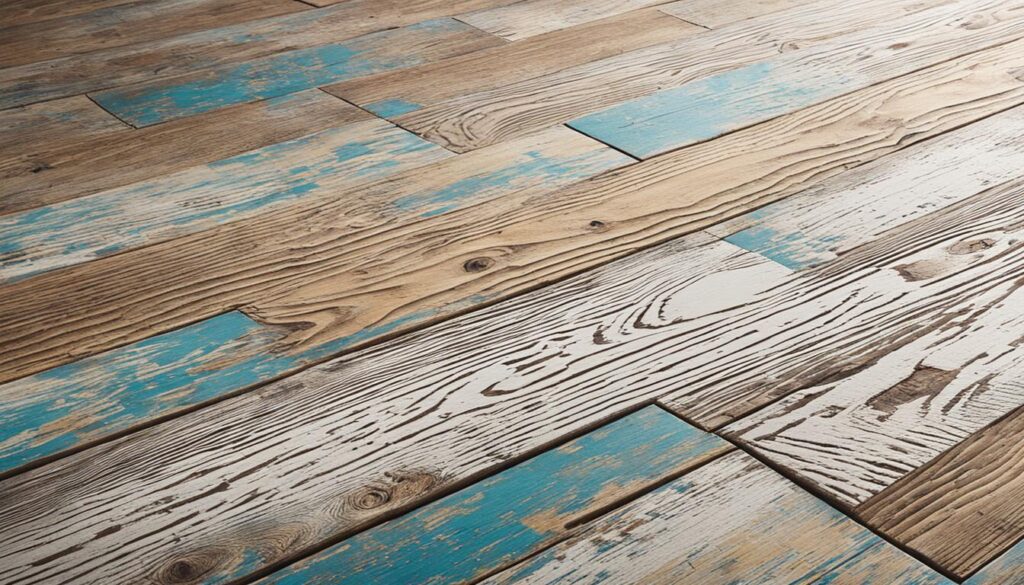
Distressed wood flooring captures the rustic beauty of aged wood, with natural imperfections and a weathered appearance. Each plank tells a story, showcasing knots, cracks, and variations in color that add depth and character to a renovated space. The unique charm of distressed wood floors adds warmth and personality to any room. They provide versatility and design flexibility, complementing a variety of design styles from farmhouse to urban chic. Additionally, distressed wood flooring is durable and long-lasting, with scratches and dents only adding to its rustic allure.
When renovating your space, consider the benefits of incorporating distressed wood floors. Not only do they create a visually stunning effect, but they also offer practical advantages. Distressed wood flooring is known for its:
- Resilience and durability, making it perfect for high-traffic areas
- Ability to withstand wear and tear, with scratches and dents adding to its character
- Timeless appeal that transcends design trends
- Enhancement of the overall aesthetic of a room
- Compatibility with various interior design styles
| Benefits of Distressed Wood Flooring in Renovation | |
|---|---|
| Rustic and charming appearance | “Distressed wood flooring captures the rustic beauty of aged wood, with natural imperfections and a weathered appearance.” |
| Authentic character and depth | “Each plank tells a story, showcasing knots, cracks, and color variations.” |
| Versatility and design flexibility | “Complements a variety of design styles, from farmhouse to urban chic.” |
| Durability and longevity | “Scratches and dents only add to its rustic allure.” |
Whether you’re renovating a rustic farmhouse or a modern urban loft, distressed wood flooring can transform your space into a unique and inviting environment. Embrace the imperfections and timeless beauty of distressed wood floors to create a warm and character-filled atmosphere in your home.
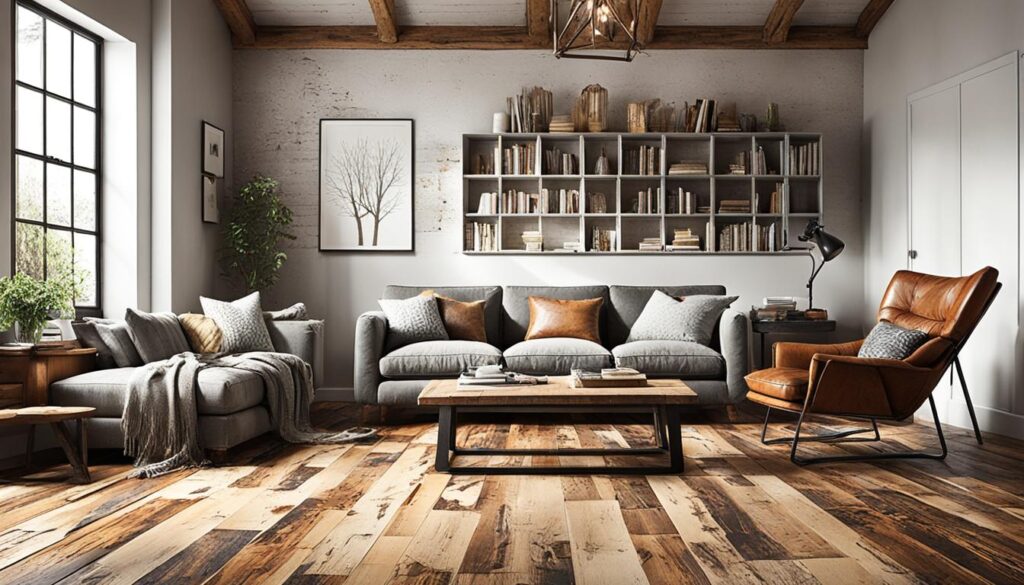
Types of Wood Flooring for Renovation
When it comes to renovating your space with wood floors, there are several types to consider. Each type offers its own unique characteristics and benefits, allowing you to upgrade your space in a way that suits your style and needs.
Solid Hardwood:
Solid hardwood flooring is a timeless and traditional choice for renovation projects. It is made from a single piece of wood, offering a classic and authentic look. Solid hardwood floors can be sanded and refinished multiple times, allowing them to withstand wear and tear while maintaining their beauty.
Engineered Hardwood:
Engineered hardwood is another popular option for wood floor installation in renovation projects. It consists of multiple layers of wood, with a top layer of real hardwood. This construction provides increased stability and resistance to fluctuations in humidity and temperature. Engineered hardwood is a durable and versatile choice that offers a wide range of styles and finishes.
Reclaimed Wood Flooring:
If you’re looking to add character and sustainability to your renovation project, reclaimed wood flooring is an excellent choice. This type of wood floor is made from salvaged wood, often sourced from old buildings or barns. Reclaimed wood showcases a unique rustic charm and tells a story through its weathered appearance and imperfections.
Bamboo Flooring:
Bamboo flooring is a sustainable and eco-friendly alternative for wood floor installation in renovation. Although bamboo is technically a grass, it possesses many characteristics similar to hardwood. It is known for its strength, durability, and resistance to moisture, making it suitable for a variety of spaces. Bamboo flooring comes in different styles and finishes, offering a modern and sustainable option for your renovation project.
These are just a few examples of the types of wood flooring available for renovation projects. Each type has its own unique qualities and benefits, allowing you to upgrade your space with wood floors that align with your style and preferences.
“Wood floors offer a timeless and elegant option for upgrading your space during renovation. Whether you prefer the classic appeal of solid hardwood or the sustainability of bamboo, wood flooring adds warmth and character to any room.” – [Author Name]
| Type of Wood Flooring | Main Features | Benefits |
|---|---|---|
| Solid Hardwood | Made from a single piece of wood Durable and long-lasting Can be sanded and refinished multiple times |
Timeless and classic look Enhances the value of your home Increased longevity |
| Engineered Hardwood | Consists of multiple layers of wood with a real hardwood top layer Increased stability and resistance to humidity and temperature fluctuations |
Versatile and stylish Available in various finishes and styles Durable and long-lasting |
| Reclaimed Wood Flooring | Made from salvaged wood Unique and rustic appearance Showcases the history and character of aged wood |
Eco-friendly choice Adds charm and character to a space Storytelling element |
| Bamboo Flooring | Sustainable alternative Strength and durability Resistance to moisture |
Eco-friendly and sustainable Modern and stylish Available in various finishes and styles |
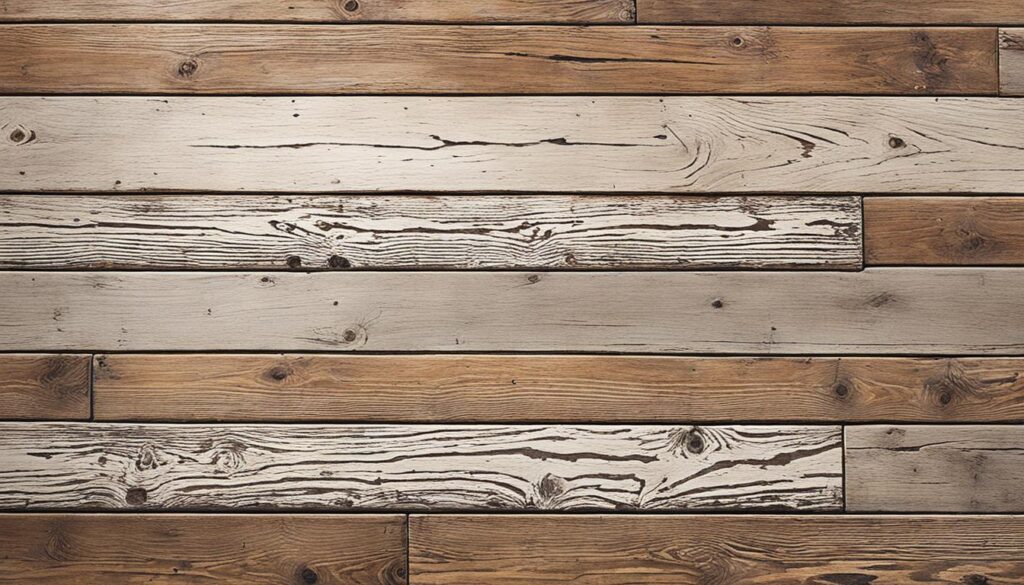
Upgrading your space with wood floors not only enhances the aesthetics of your home but also adds value and longevity. Whether you prefer the classic charm of solid hardwood, the versatility of engineered hardwood, the sustainability of reclaimed wood, or the modern appeal of bamboo, there is a wood flooring option to suit your renovation project.
The Benefits of Wood Flooring in Renovation
Wood flooring is a fantastic choice for transforming your home through renovation. Its aesthetic appeal enhances any interior design style, creating a warm and inviting atmosphere that can truly elevate your space.
One of the key advantages of wood floors is their durability and longevity. With proper care and maintenance, wood floors can last for decades, making them a wise investment that adds long-term value to your home. Unlike other flooring options that may need to be replaced more frequently, wood floors are built to withstand the test of time.
Another significant benefit of wood flooring is its positive impact on indoor air quality. Unlike carpets that harbor dust, pollen, and other allergens, wood floors are much easier to clean and don’t trap these particles. This results in a cleaner and healthier environment, particularly for individuals with allergies or respiratory sensitivities.
“Wood floors are not only beautiful but also offer practical benefits. They are naturally resistant to dust and allergens, making them an excellent choice for individuals with allergies or respiratory issues.”
When it comes to maintenance, wood floors are relatively easy to clean and maintain. Regular sweeping and occasional damp mopping are usually sufficient to keep them looking their best. Additionally, if the floors start to show signs of wear, they can be easily refinished, restoring their original beauty and extending their lifespan.
Overall, the benefits of wood flooring in renovation are numerous. From the aesthetic appeal and longevity to the improved indoor air quality and easy maintenance, wood floors provide a range of advantages that make them a popular choice among homeowners and interior designers alike.
| Benefits of Wood Flooring in Renovation |
|---|
| Enhances the aesthetic appeal of any interior design style |
| Durable and long-lasting, adding value to your home |
| Improves indoor air quality by reducing allergens |
| Relatively easy to clean and maintain |
| Can be refinished to restore their original beauty |
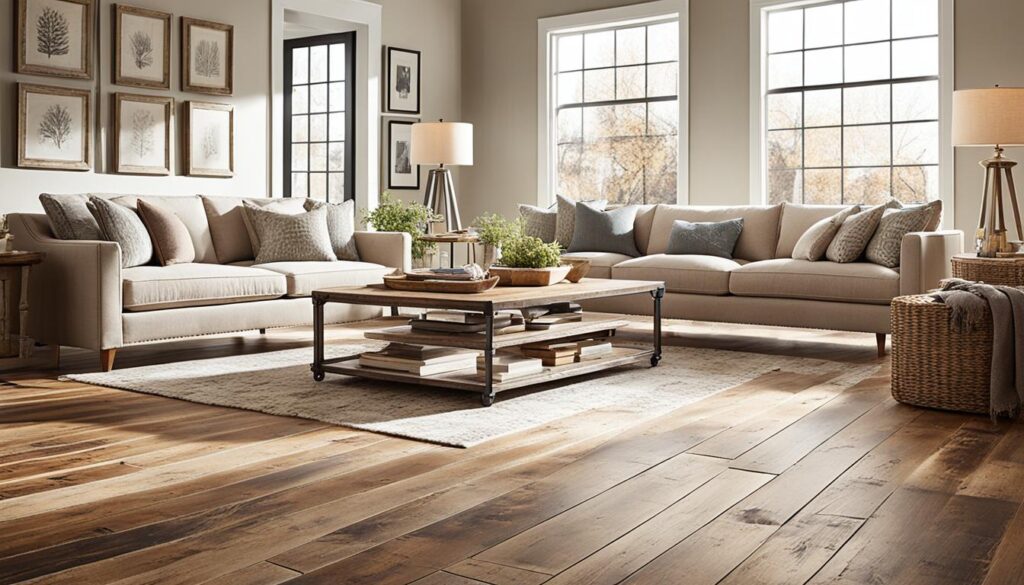
Testimonials
“We absolutely love our wood floors. They have completely transformed our home and added a touch of elegance.” – Sarah Thompson, homeowner
“As an interior designer, I always recommend wood flooring to my clients. The benefits are undeniable, and they add a timeless appeal to any space.” – Jennifer Lewis, interior designer
Drawbacks of Wood Flooring in Renovation
While wood flooring offers many advantages, it’s important to consider the potential drawbacks when planning a renovation project. Here are some key factors to keep in mind:
- Cost: Wood flooring can be more expensive upfront compared to other materials. However, it’s essential to remember that wood floors are a long-term investment that can add significant value to your home.
- Moisture Damage: Wood floors are susceptible to moisture damage, making them less suitable for areas with high humidity or water exposure. It’s crucial to choose materials that are properly sealed and maintained to minimize the risk of damage.
- Scratches and Dents: Everyday wear and tear can leave scratches and dents on wood floors. While this adds to their natural charm, it’s important to take preventive measures to minimize the potential for damage. Using furniture pads, rugs, and regular maintenance can help preserve the beauty of your wood floors.
Despite these drawbacks, there are tips and tricks you can follow to overcome these challenges and ensure the longevity of your wood floors:
- Choose hardwood species with higher hardness ratings, as they tend to be more resistant to scratches and dents.
- Regularly clean your wood floors using appropriate cleaning products and techniques to remove dirt and prevent damage.
- Place mats or rugs in high-traffic areas to minimize wear and tear on the wood surface.
- Wipe up spills immediately to prevent moisture from seeping into the wood and causing damage.
- Consider applying protective coatings or finishes to enhance the durability and longevity of your wood floors.
By being mindful of these tips and taking proper care of your wood floors, you can mitigate the drawbacks and fully enjoy the beauty and charm they bring to your renovated space.
Caring for and Maintaining Wood Flooring in Renovation
Proper care and maintenance are essential to keeping wood floors in optimal condition. By following these wood floor renovation ideas, you can ensure that your floors remain a stunning feature in your renovated home for years to come.
Preventative Measures
Take preventative measures to protect your wood floors from damage. Use rugs and protective pads under furniture to prevent scratches and dents. This simple step can go a long way in preserving the beauty of your wood floors.
Regular Cleaning
Regular cleaning is necessary to remove dirt and debris that can cause scratches and wear. Here are some cleaning tips for wood floor renovation:
-
Sweep your wood floors daily or as needed to remove loose dirt and dust.
-
Vacuum using a floor brush attachment to remove smaller debris that may have settled in the crevices between planks.
-
Occasionally damp mop your wood floors using a well-wrung mop or a microfiber mop designed specifically for wood floors. Avoid excessive moisture as it can damage the wood.
Refinishing Wood Floors
Over time, wood floors can become dull or scratched. Refinishing is a process that can restore their original beauty. It involves sanding off the old finish and applying a new one. It is recommended to hire a professional for this task to ensure the best results.
“Regular care and maintenance are crucial for preserving the beauty of wood floors in renovation projects. By following simple preventative measures, regular cleaning routines, and refinishing when necessary, homeowners can enjoy the timeless elegance and warmth of wood floors for years to come.” – Emma Thompson, Interior Designer
Maintenance Tips
Here are some additional maintenance tips for wood floors:
-
Place doormats at entryways to trap dirt, sand, and moisture that can be tracked onto your wood floors.
-
Wipe up spills immediately to prevent water damage or stains. Be sure to use a soft cloth or paper towel for gentle cleaning.
-
Avoid using harsh chemical cleaners or abrasive materials that can damage the finish of your wood floors. Instead, use a cleaner specifically designed for wood floors.
-
Periodically check for any signs of damage or wear and address them promptly to prevent further issues.
By following these care and maintenance practices, you can ensure that your wood floors remain a beautiful and timeless addition to your renovated space.
Conclusion
Renovating your home with wood floors can transform your space, adding character and warmth to any room. By embracing imperfections and choosing distressed wood flooring, you can create a rustic and charming atmosphere that tells a unique story. Wood floors offer a versatile and attractive option for homeowners and interior designers, with a variety of types available to suit individual tastes and budgets.
While there are some drawbacks to consider, such as cost and susceptibility to moisture damage, the benefits of wood flooring far outweigh the challenges. Wood floors are durable, long-lasting, and easy to maintain, making them a cost-effective investment. They also improve indoor air quality and can be refinished to restore their original beauty.
By renovating your home with wood floors, you can create a haven of comfort and style. Embrace the beauty of wood floors and care for them properly to ensure they remain a stunning feature in your home for years to come.